
ASML denies selling advanced chip machine to China
US tells ASML it's concerned an advanced chip machine may have reached China, the company denies.
Published on June 19, 2026
© ASML

Team IO+ selects and features the most important news stories on innovation and technology, carefully curated by our editors.
U.S. Commerce Secretary Howard Lutnick has told Dutch chip-equipment maker ASML that Washington fears one of its top-tier chipmaking machines may have ended up in China. That would violate U.S.-led export restrictions, Bloomberg News reported on Thursday. Lutnick raised concerns over ASML's extreme ultraviolet (EUV) lithography systems with the company's senior leadership during a series of meetings, according to the report.
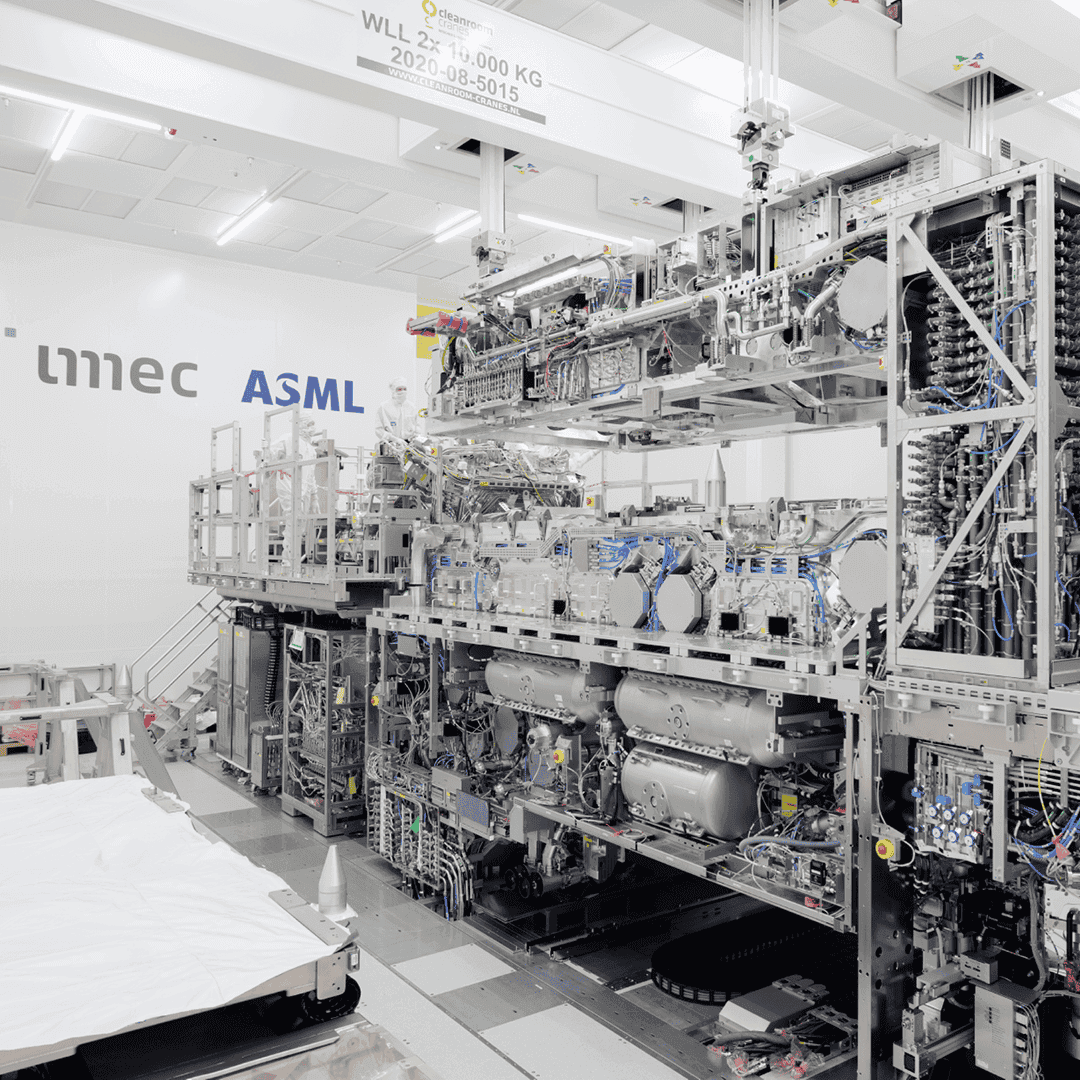
EUV machines are the only tools in the world capable of printing the smallest, most advanced circuit patterns onto silicon, making them essential for producing cutting-edge chips, including processors used in AI hardware. Their export to China has been banned for years.
.png&w=2048&q=75)
ASML's denial
ASML pushed back firmly. In an emailed statement to Reuters, the company said it has never shipped an EUV machine to China, nor any component, module or equipment specially designed for use in one. It also noted that its most advanced EUV systems are roughly the size of a school bus and weigh 180 tons, making covert transport implausible. The U.S. Commerce Department and the White House did not immediately respond to Reuters' requests for comment outside business hours.
The episode follows an April proposal in Washington to require U.S. allies to align with U.S. export controls aimed at curbing China's ability to produce advanced semiconductors, with ASML's equipment specifically named in the bill. ASML said it has consistently challenged claims that it failed to comply with export rules, stating that it has adjusted its business to align with each new regulatory development.
Semiconductor tension
The renewed scrutiny also follows a Reuters report in December that Chinese scientists had built a prototype EUV machine with the help of a team of former ASML engineers, an undertaking some have likened to a Chinese equivalent of the Manhattan Project.
China still accounts for a significant share of ASML's revenue — roughly a third in 2025 — though that exposure is concentrated in older, permitted deep ultraviolet (DUV) systems rather than EUV equipment. For now, Washington has voiced suspicion rather than presented public evidence, but the allegation adds a fresh flashpoint to an already tense U.S.-China semiconductor standoff and raises new questions about how tightly the West can actually police its most critical chipmaking chokepoint.