
ASML is a global city— that calls for proactive urban planning.
In the column series “What if...”, Elcke Vels explores intriguing scenarios that deviate from the status quo.
Published on February 7, 2026
.png&w=2048&q=75)
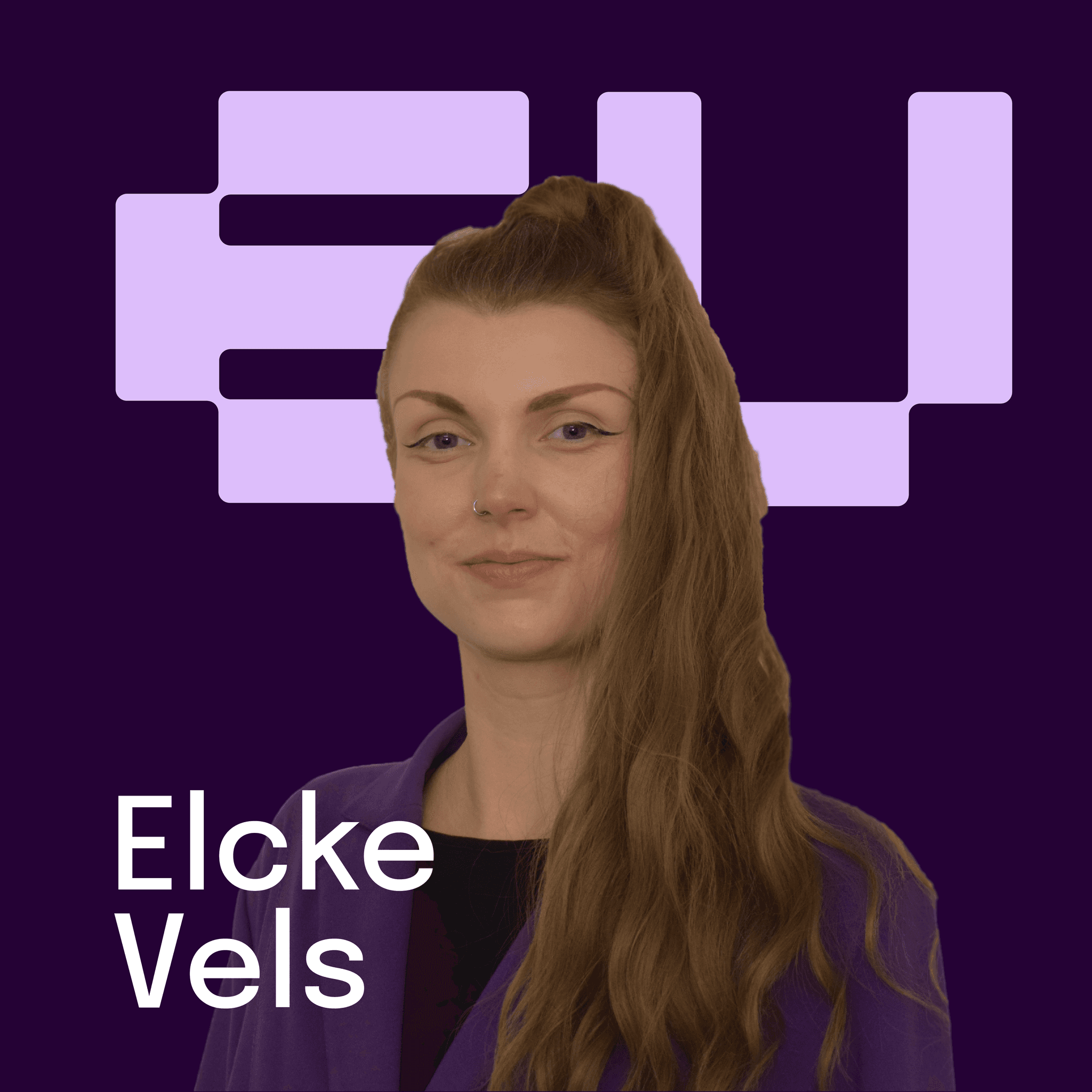
Our DATA+ expert and Editor-in-Chief, Elcke Vels, explores AI, cyber security, and Dutch innovation. Her "What if..." column imagines bold scenarios beyond the norm.
Imagine a city that does not appear on any topographical map. A metropolis with tens of thousands of inhabitants, its own infrastructure, and neighborhoods that are closely connected. It is located in Brabant, but it is not called Eindhoven or Veldhoven. This is ASML. The latest figures show that this global city is outgrowing itself. This calls for a proactive approach rather than the reactive urban planning that the Netherlands has applied in the past — think of Almere, for example.
The recent order intake of €13.2 billion in the fourth quarter is not simply a financial windfall for ASML. It is an announcement of permanent economies of scale. Demand for AI is propelling the city to unprecedented heights. But like any fast-growing metropolis, we need to take urban planning seriously. Adjustments must be made in good time, taking future growth into account.
A lesson in urban planning: Almere
A lesson in urban planning from the past. From the 1970s onwards, the polder city of Almere was rapidly built up to alleviate the housing shortage in Amsterdam, but infrastructure and employment lagged behind. Tens of thousands of residents commuted to the capital every day, causing the A6 and later also the A1 to become structurally congested. It was only decades later that large-scale road widening and an additional rail connection followed — costly repairs for a predictable problem. That history shows what happens when growth comes first, and planning comes later.
ASML is outgrowing its premises
In the city of ASML, we must not repeat that mistake. Anyone driving past Veldhoven can see it: ASML is growing faster than its surroundings can keep up. The giant company plans to hire around 20,000 new employees in the coming years and build four new campus facilities. If we approach this with the mentality of a local business park, things will inevitably come to a standstill.
Accessibility of the city
Fortunately, we are busy making plans. The Beethoven Plan, a package worth 2.51 billion, aims to make our city more accessible. Among other things, it aims to build more than 60,000 homes by 2030. In May 2025, Minister Barry Madlener also gave the go-ahead for an exploration to improve the accessibility of the region. More than half a billion euros has been earmarked for improvements to the A2 and N2 motorways and high-quality public transport. That sounds like a lot of money. On the other hand, a decision that will only become concrete at the end of 2026 seems like an eternity in the chip industry.
Municipalities are also facing rising construction costs, a shortage of skilled labor, and delays in the approval of permits, all of which are exacerbated by the nitrogen crisis. Like all other cities in the Netherlands, the metropolis of ASML is therefore facing considerable physical growth challenges.
Suppliers must scale up rapidly
Of course, we must also talk about the suppliers. The tech giant is the city center, and the suppliers are the neighborhoods around it. Approximately 5,000 companies are directly or indirectly linked to the Veldhoven-based tech group. Companies such as VDL, Prodrive, and Carl Zeiss are essential neighborhoods. A traffic jam in a suburb directly leads to gridlock in the center. The latest quarterly figures are therefore a marching order for the entire region: everyone must scale up, and quickly.
But are they capable of doing so? When ASML unexpectedly scaled back production in 2024, work for suppliers stagnated. Many companies reduced the number of temporary workers. The question now is whether the neighborhoods of our metropolis can grow fast enough to keep up with demand. It's going to be a close call.
A strong cultural foundation is crucial
In addition to the physical city center and the bustling suburbs, the ASML metropolis must also have a strong cultural foundation in order to continue to grow. The importance of the cultural component was previously mentioned by ASML CEO Peter Wennink. He warned that the Dutch business climate—including discussions about migration policy and employment conditions—is affecting the Netherlands' attractiveness to international talent. ASML, where international talent is crucial, cannot afford such a culture. This is one of the major challenges facing the new cabinet.
An important global city
ASML is a global city, and the Netherlands is reaping the benefits. But only if we continue to plan proactively. A city is never ‘finished’. It constantly requires maintenance: roads, the city center, the suburbs, and the social fabric. In other words, the financing must be in place, the region must be physically adapted, government instruments must enable suppliers to grow, and together we must keep the Netherlands attractive to international talent. There is work to be done.
How many inhabitants will the megacity have in ten years? Will it grow as fast as global cities such as Tokyo or Delhi? Only time will tell.