
ASML puts the Netherlands ahead in Europe's tech race, ING says
Europe has struggled to capitalize on the global tech boom. The Netherlands is standing out thanks to ASML, a new analysis points out.
Published on October 28, 2026

Team IO+ selects and features the most important news stories on innovation and technology, carefully curated by our editors.
While most of Europe struggles to keep up with the United States and Asia in the global tech boom, the Netherlands is a clear exception, thanks to ASML.
That is the conclusion of a new analysis by economists at ING Bank, Marcel Klok and Bert Colijn. They calculate that the Veldhoven-based chip-machine maker, together with the Dutch suppliers and investment around it, could account for 2.2% of the Dutch economy this year.
A company the size of a sector
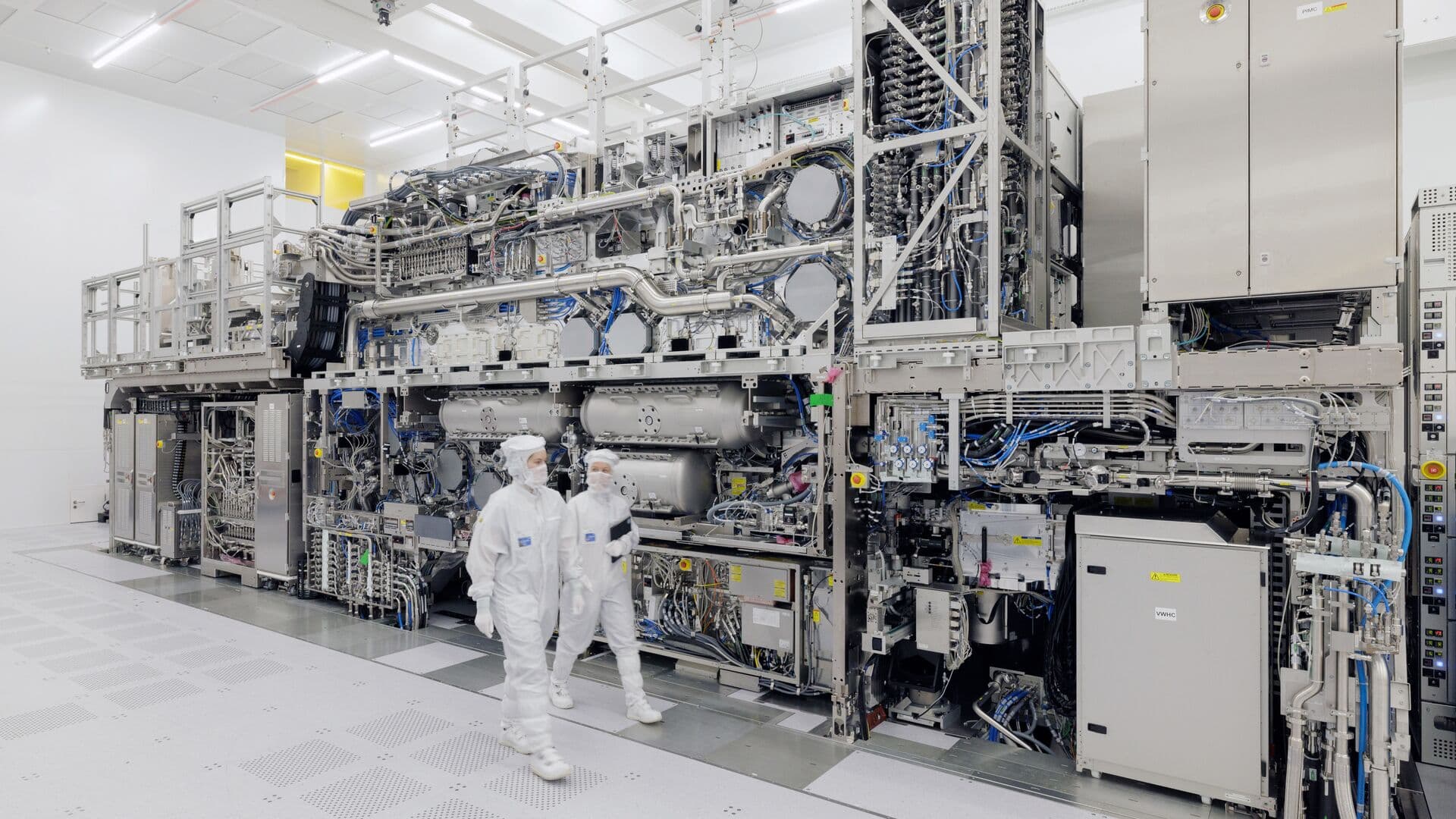
ASML is the only company in the world that makes the most advanced lithography machines, which chipmakers need to produce cutting-edge semiconductors. With the AI boom driving demand for chips, those machines are in high demand.
According to ING, ASML alone now makes up about half of the turnover of the entire Dutch machinery industry: €33.7 billion in 2025. Its direct share of the Dutch economy has grown from just 0.1% in 1995 to 1.3% in 2025, and is expected to reach 1.6% in 2026.
Ripple effects
The impact doesn't stop at ASML's own factory gates. The company buys parts and services from many Dutch firms, and it invests heavily, especially in research and development. Add those effects, and ING arrives at the 2.2% figure for 2026.
Somewhat surprisingly, temporary job agencies are among the Dutch businesses that benefit most from the wider machinery sector, alongside other machine makers.
The economists also point to benefits that are harder to measure. Companies that supply top exporters tend to be among the most productive in the country, and working for a global leader can help suppliers improve their methods, grow and win new customers.
The International Monetary Fund lists the Netherlands among the countries most exposed, through trade, to the global wave of AI investment. ING argues that ASML has also helped the Dutch economy absorb recent shocks, such as the energy crisis and trade tensions.
The Nokia question
But relying heavily on one company carries risks. ING compares the situation with Finland and Nokia. Around 2000, Nokia alone made up close to 4% of the Finnish economy. After smartphones arrived and the company lost its lead, that share fell to 0.5% by 2011, and the damage to Finland's wider economy lasted for years.
The economists don't think the Netherlands is in the same position. ASML's total footprint of 2.2% is still well below Nokia's peak, and the Dutch economy is more varied, with strong pharmaceutical and IT services sectors as well. Still, because the chip industry moves in cycles, its ups and downs will increasingly show up in Dutch growth figures.
Geopolitics and growing pains
Geopolitics is another worry. The US already limits the sale of ASML's most advanced machines to China, and a proposed US law, the MATCH Act, could tighten the rules further. At the same time, the sector depends on key parts from abroad, including from Germany, Taiwan, South Korea and the US. Tensions could hurt both where ASML sells and where it buys.
There are limits at home too. Shortages of skilled workers and space could slow the cluster's growth. The Dutch government pledged €2.5 billion in 2024 to improve conditions for the sector, but ING says the concerns have not gone away. Even so, the economists expect ASML to remain a key driver of Dutch economic growth in the years ahead.