
BeephoniX develops sensor that detects drones without radar
Dutch BeephoniX and Swedish company Bertin Exensor are jointly developing an acoustic sensor that can detect drones from a distance.
Published on November 18, 2026
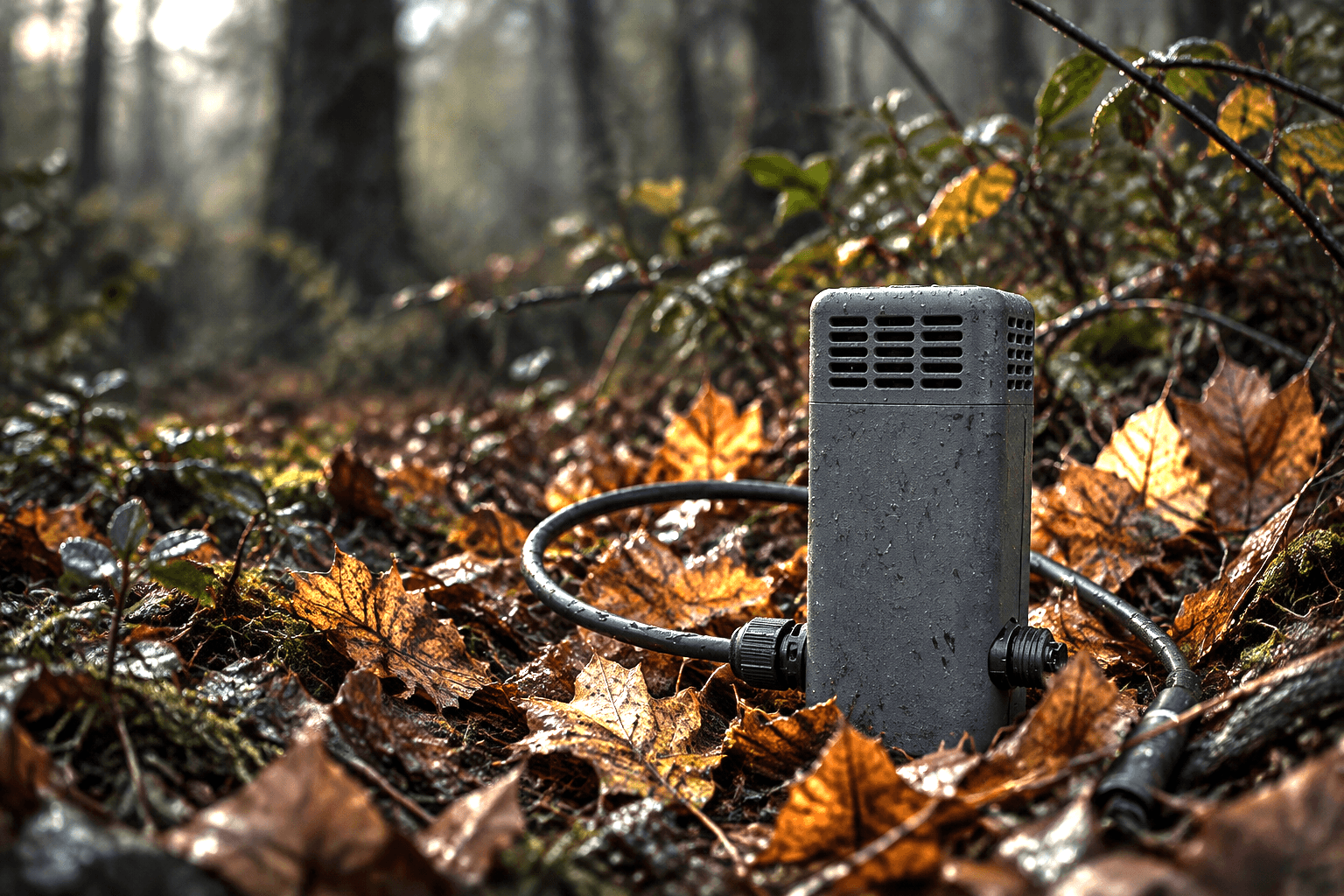
© BeephoniX
The Utrecht-based defence technology company BeephoniX is joining forces with Swedish sensor developer Bertin Exensor to develop a new drone detection sensor. The companies are developing Orbis, a passive acoustic sensor that will be integrated into Flexnet, Bertin Exensor’s existing surveillance platform. This will enable the platform to detect not only ground-based threats but also low-flying drones.
The collaboration combines BeephoniX’s expertise in acoustic signal processing, machine learning and drone detection with Bertin Exensor’s nearly 40 years of experience in developing military surveillance technology.
“No single technology can solve the drone detection challenge on its own. Effective counter-drone defence requires a combination of specialised technologies that complement one another. That is exactly what we aim to achieve with this collaboration. Orbis demonstrates how European defence companies can work together to develop practical and scalable solutions to an increasingly urgent threat,” says Klaas-Jan Kakebeeke, CEO and co-founder of BeephoniX.
Acoustic detection
Flexnet is a network of wireless sensors, cameras and associated control software. The individual devices communicate with one another through a wireless network and send detection data to operators. The system uses seismic, magnetic, thermal and optical sensors, among others, to identify potential threats.
Orbis adds acoustic detection to this mix. Using signal processing and machine learning, the sensor recognises the distinctive sounds produced by drone motors and rotors. According to BeephoniX, the system can detect FPV drones, which are remotely piloted using live video feeds from the drone’s camera, at distances of up to 150 metres. The battery can last up to 30 days.
Detecting drones without radio signals
An important advantage of acoustic detection is that the technology does not emit detection signals itself and does not rely on communication between a drone and its operator. This makes Orbis potentially valuable for detecting autonomous drones and drones controlled via fibre-optic cables. The latter are more difficult to detect with systems that rely on radio signals.
The sensor is designed for discreet, battery-powered operation. Multiple units can be deployed across an area of interest. The collected acoustic data is then combined with information from the other sensors within Flexnet, providing operators with a shared picture of potential threats.
Marcus Rosenqvist, Vice President of Sales at Bertin Exensor, says: “Extending our Flexnet UGS platform with passive, remote acoustic drone detection, such as Orbis, is a logical next step in countering current and future threats on the battlefield. The Orbis project is a great example of successful cooperation in which strategic and commercial objectives align.”