
Cabinet tackles grid congestion with large-scale energy storage
The Dutch government wants to expand energy storage to ease pressure on the country’s overloaded electricity grid.
Published on November 9, 2026
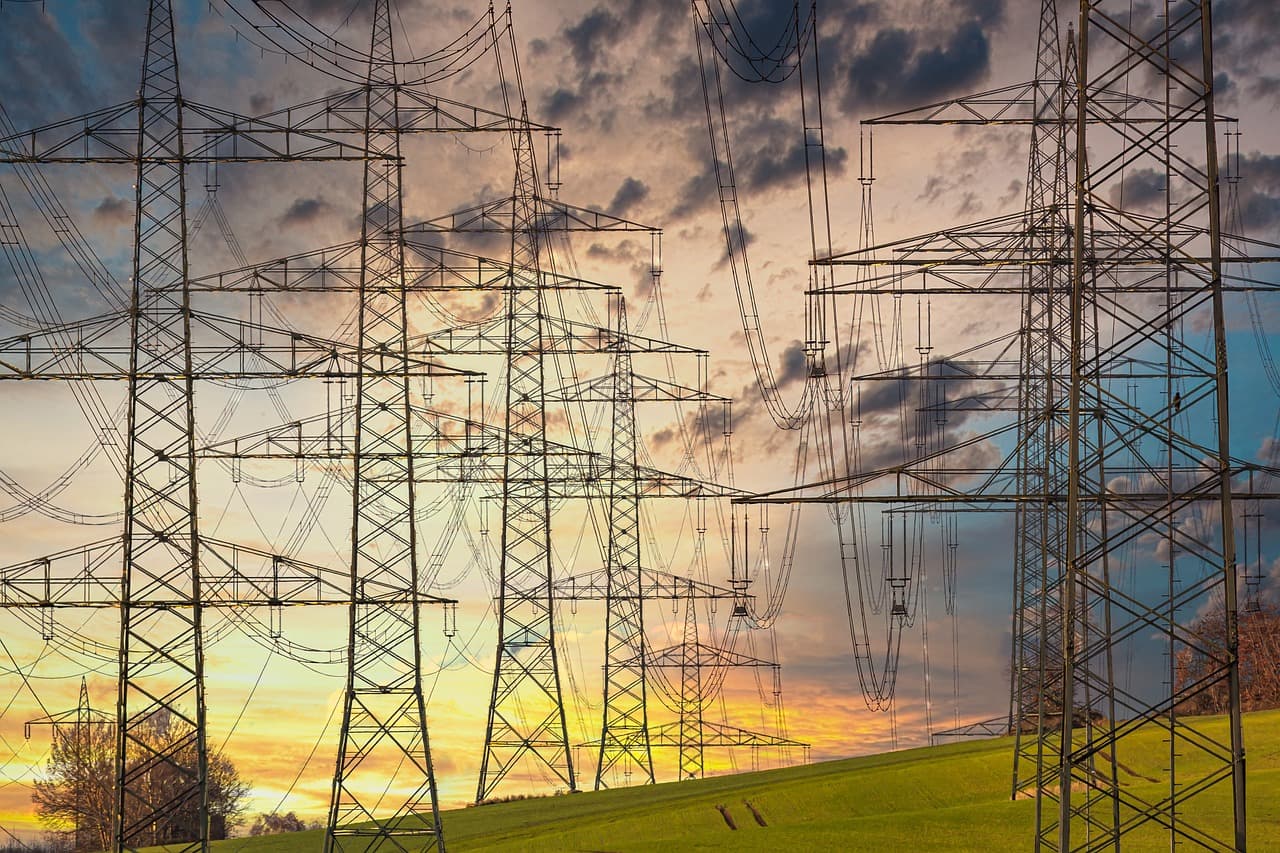
According to the government, more energy storage is needed to ensure that renewable electricity remains available when there is little wind or solar power being generated. It therefore aims to increase battery storage capacity in the Netherlands to 110 gigawatt-hours (GWh) by 2040, more than 50 times the level at the end of 2025. The expansion should also help reduce pressure on the electricity grid.
Climate and Energy Minister Stientje van Veldhoven and State Secretary Jo-Annes de Bat announced the plans in a letter to the Dutch House of Representatives. To make the expansion possible, the government has reached agreements with grid operators, industry association Energy Storage NL, regional and local authorities, and the Authority for Consumers and Markets (ACM). These agreements are set out in a joint Energy Storage Policy Agenda.
Batteries to ease pressure on the grid
The expansion is intended, among other things, to reduce pressure on the electricity grid. In many parts of the Netherlands, the grid is so congested that businesses and households have to wait for a new or upgraded connection. This is also holding back the construction of new homes.
By storing electricity when demand is low and making it available during peak periods, batteries can help relieve pressure on the grid. According to the government, grid-friendly energy storage could also reduce the need for investments in expanding the electricity grid.
Faster permitting
The 25 action points include measures to speed up the permitting process for large-scale battery projects. Grid operators, the energy storage sector and regional authorities will need to work more closely together to achieve this.
The parties are also working on agreements concerning the conditions and compensation for energy storage. One example is the use of flexible grid contracts, under which large batteries are connected subject to conditions that take into account the available capacity on the electricity grid.
Compensation for households
Large-scale batteries are not the only way to help stabilise the electricity grid. Households can also receive compensation if they help manage peak demand using their home batteries, heat pumps or electric vehicle chargers.
Since November 1, households in the provinces of Gelderland, Utrecht, Flevoland and North Brabant have been able to participate in the scheme through a number of energy suppliers. The scheme is expected to be extended to the rest of the Netherlands in 2027.