
EU wants to exclude U.S. tech. Defense warns of risks
Europe wants to reduce its dependence on American tech. The defense sector is concerned about the risks.
Published on September 7, 2026

Team IO+ selects and features the most important news stories on innovation and technology, carefully curated by our editors.
Europe wants to reduce its dependence on U.S. tech companies such as Amazon, Google, and Microsoft for sensitive digital applications. But the European defense sector is sounding a warning: a too-rapid transition to European alternatives could jeopardize security.
According to defense officials, European cloud and AI technology currently lags eight to ten years behind U.S. systems. A rapid replacement of U.S. technology would therefore not only be technically complex but could also create new vulnerabilities.
Military deeply intertwined with U.S. tech
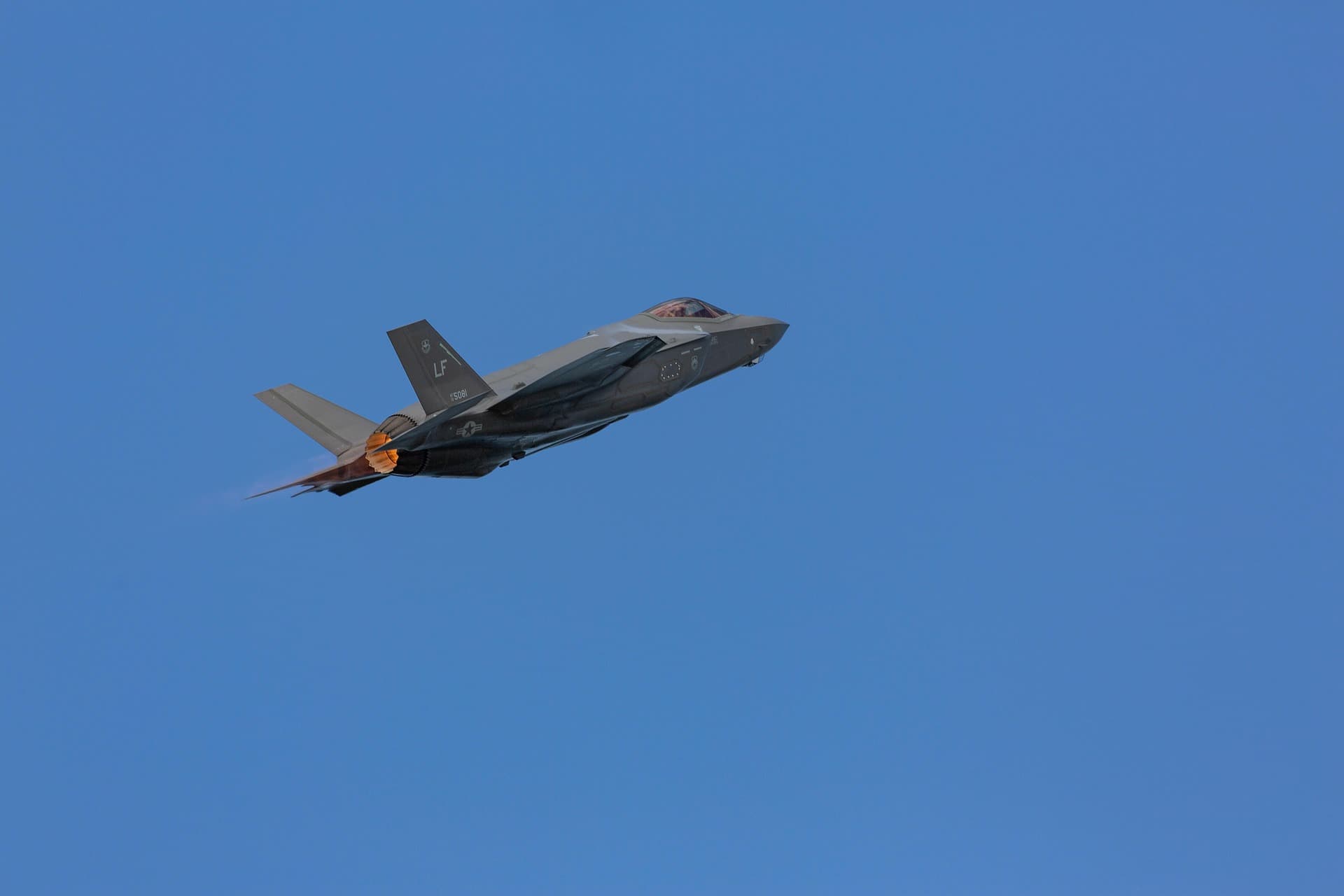
This is particularly relevant for the military, which is deeply intertwined with U.S. technology. Even systems like the F-35 rely on U.S. digital infrastructure. “We would be less secure if we didn’t,” a European defense official told the Financial Times.
Nevertheless, there is a growing conviction within Europe that this dependence must be reduced over time. In a crisis situation, Europe does not want to be reliant on companies from another continent for critical infrastructure.
Solvinity takeover
The Netherlands, too, is trying to gain more control in this area. For example, the Ministry of Economic Affairs previously blocked the acquisition of the cloud company Solvinity—which, among other things, manages digital infrastructure for DigiD—by the American company Kyndryl.
Gradual development
According to the industry, the solution does not lie in a sudden break with American technology, but in the gradual development of European alternatives. Some companies are already working on this. Airbus, for example, is moving some of its key applications from Amazon Web Services to the French cloud company Scaleway.
Europe thus faces a difficult dilemma: becoming less dependent on American technology without weakening the systems that are already crucial to European security.