
Geothermal power could replace 42% of EU fossil electricity
Thanks to new technology leaps, geothermal power could replace 42% of gas and coal electricity in the EU, a new analysis reveals.
Published on February 9, 2026
© Pexels

Team IO+ selects and features the most important news stories on innovation and technology, carefully curated by our editors.
Geothermal power could replace as much as 42% of EU coal and gas, a new analysis by energy think-tank Ember reveals. Researchers report that a technological leap in deep-earth drilling could make energy from beneath our feet a mainstream power source.
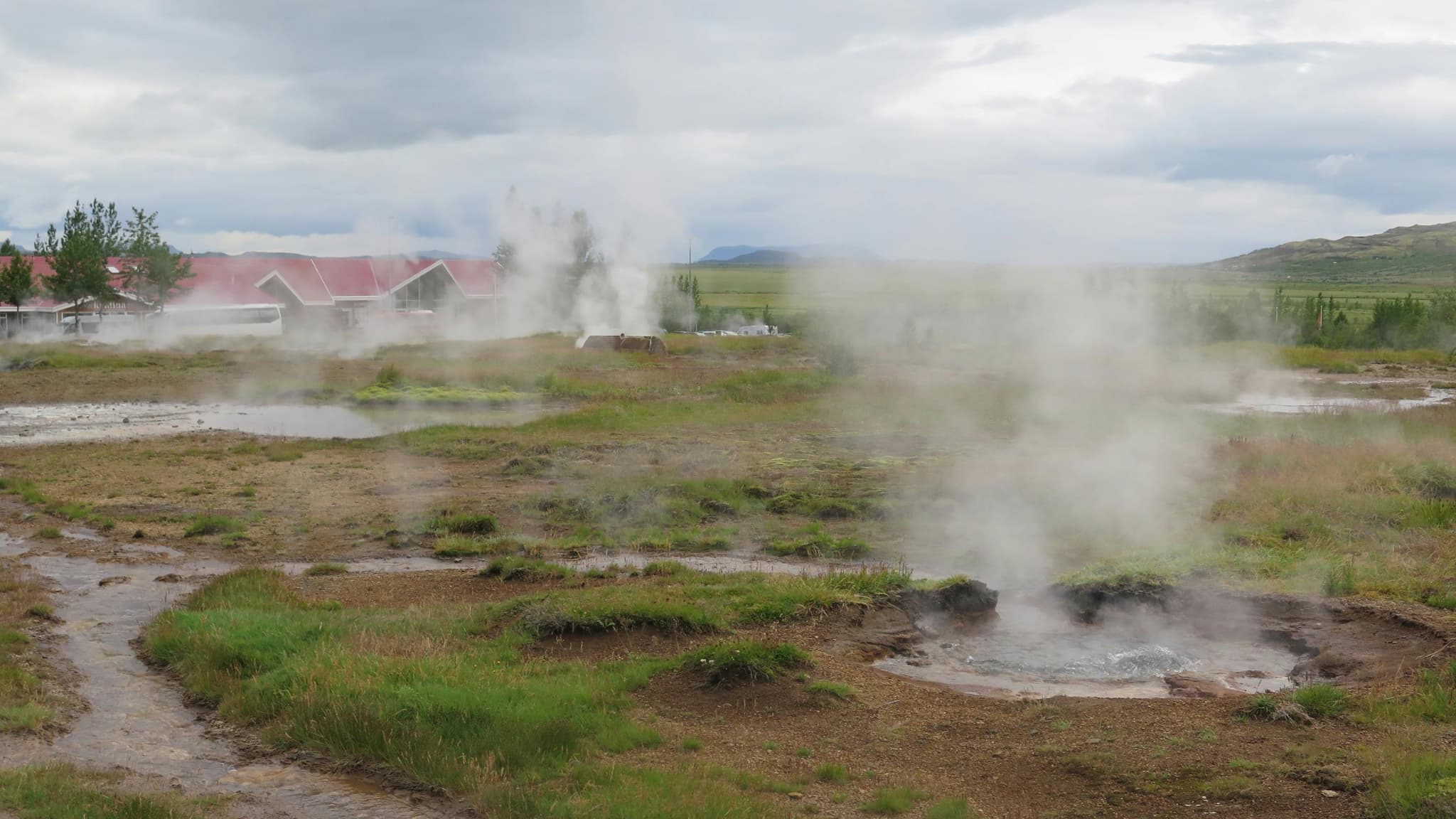
Geothermal energy is a renewable power source that harnesses the natural heat beneath the Earth’s surface. This heat can then be used for heating, cooling, and electricity generation, depending on the site’s energy potential and geological features. In geothermal heating, a fluid, such as water, collects heat from the ground through a pipe loop. In electricity generation, steam drives turbines, producing power.
According to Ember researchers, geothermal energy could provide a stable, always-on alternative to fossil fuels for less than €100/MWh, comparable to coal- and gas-fired electricity. Tatiana Mindekova, Ember Policy Advisor and author of the report, stated: “As Europe seeks to slash emissions while meeting the energy demands of heavy industry and AI data centers, this untapped resource offers a clean, firm power supply that remains insulated from the price volatility of imported fossil fuels.”
Geothermal favored by technological leaps
The analysts stress that whereas geothermal was once limited to some geological hotspots, modern tech makes the renewable source now cost-competitive across the continent. For decades, geothermal drilling couldn't go deeper than 3 km, limiting its reach.
Advancements in drilling and the so-called "Enhanced Geothermal Systems" (EGS) derived from the oil and gas sector are now unlocking heat potential from much deeper, hotter rock layers.
As a result, Ember underlines that around 43 GW of enhanced geothermal capacity in the EU could be developed at costs below €100/MWh today. The price is comparable to that of electricity generated by fossil fuels. Recently, electricity prices for coal and gas have fluctuated between €90 and €150/MWh.
If fully deployed, this capacity could generate up to 301 TWh of electricity annually, approximately the same amount as 35,000 wind turbines generate. Analysts report that the greatest potential lies in Hungary, followed by Poland, Germany, and France. Mindekova explains that this represents "a carbon-free resource that doesn't rely on the weather and strengthens energy security" for regions traditionally dependent on fossil fuel imports.
-1.png&w=2048&q=75)
© Ember
Meeting datacenters' soaring electricity demand
Power from the Earth's surface offers a solution to meet the electricity demand from digital infrastructure. Trends in the United States suggest that geothermal power could cost-effectively meet up to 64% of the projected data center electricity demand in the early 2030s.
Similarly, European tech hubs could benefit from geothermal energy, meeting their climate pathways while ensuring grid stability for their operations. Yet, Europe risks missing the boat. While Canada and the US are ramping up geothermal projects, European deployment is constrained by lengthy procedures and the lack of a unified strategy.
"Modern geothermal is pushing the energy transition to new depths, opening up clean power resources that were long considered out of reach and too expensive. But today, geothermal electricity can be cheaper than gas. It’s also cleaner and reduces Europe’s reliance on fossil imports. The challenge for Europe is no longer whether the resource exists, but whether technological progress is matched by policies that enable scale and reduce early-stage risk," concluded Mindekova.
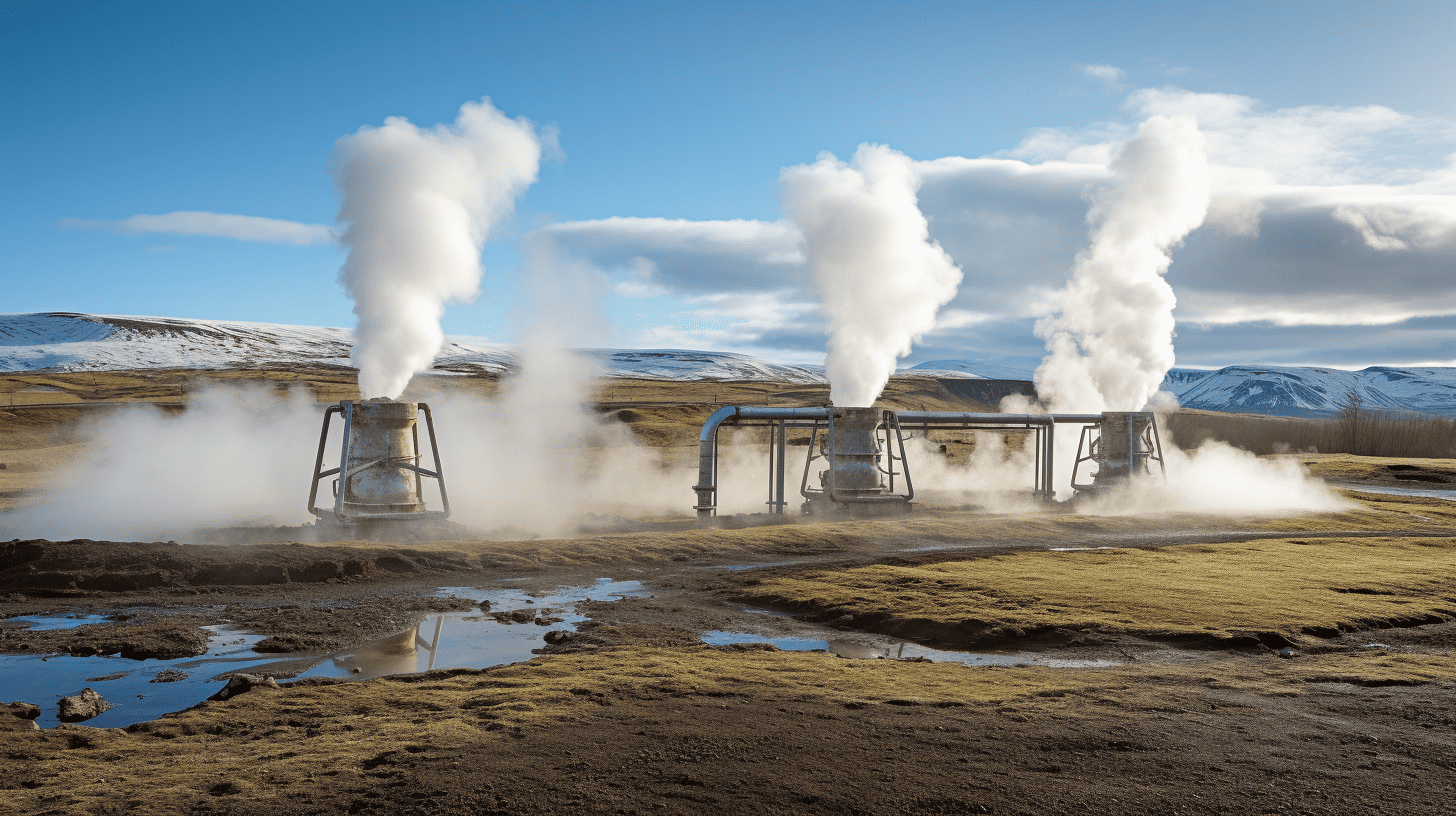
Geothermal energy: the ace in the hole of energy transition?
As the European Commission calls for a joint geothermal energy development plan, steps are also being taken in the Netherlands.