
Gerard & Anton Award winners connect tech with tangible problems
10 Startups with solutions to AI’s energy appetite, heat in chips, data centre congestion, dependence on foreign tech, pollution and noise.
Published on July 2, 2026
Bart, co-founder of Media52 and Professor of Journalism oversees IO+, events, and Laio. A journalist at heart, he keeps writing as many stories as possible.
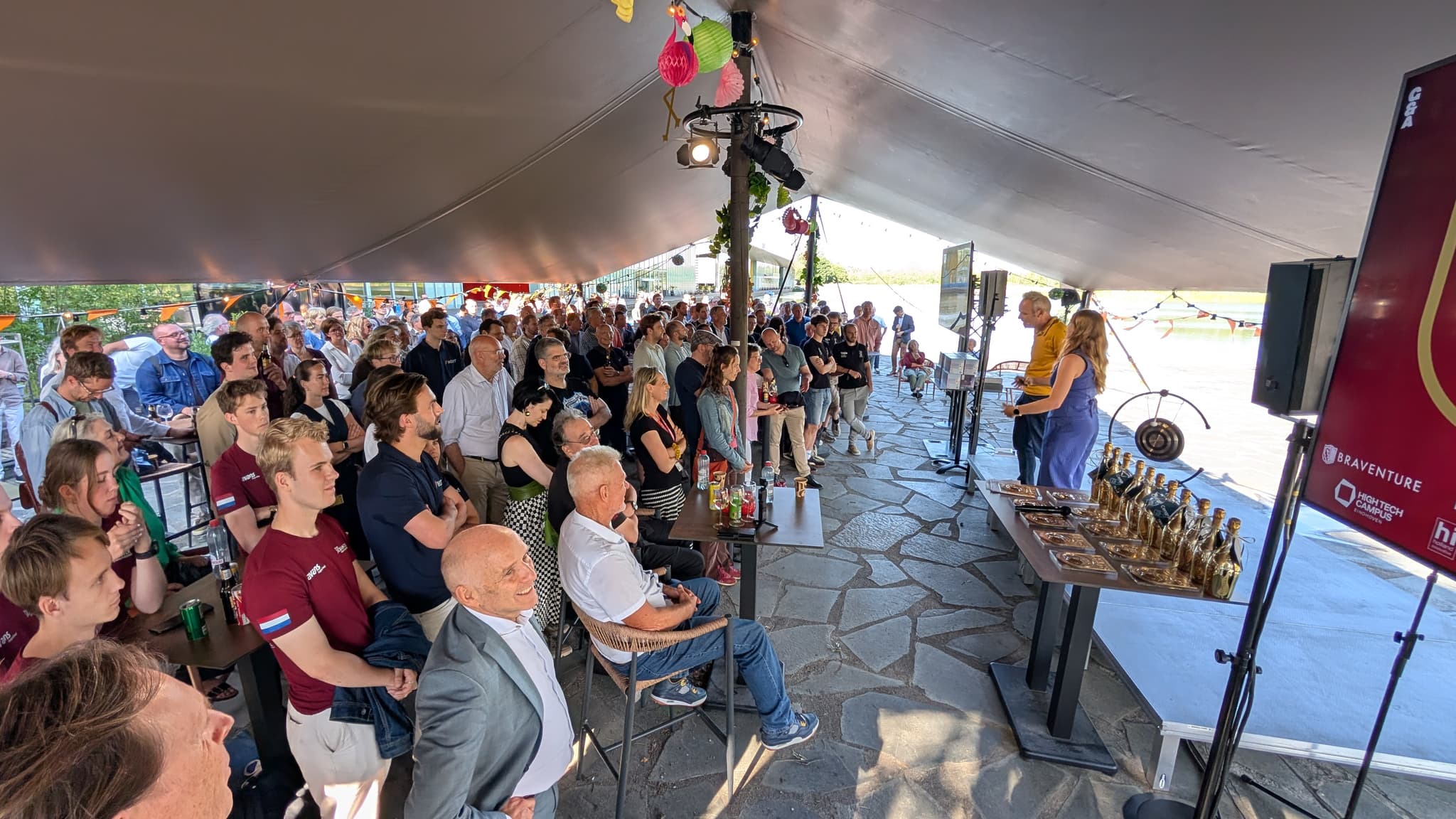
The Gerard & Anton Awards are for startups that demonstrate more than a good idea, an impressive demo or a promising pitch deck. Since the first edition in 2014, the community has put entrepreneurs in the spotlight who tackle urgent problems and have the potential to make a global difference. This year, we celebrate the twelfth cohort of winners. Together, there are now 120 startups striving to realise their big dreams. And, judging by their success rate, they are doing remarkably well. More than 90% of former winners are still active, an unprecedented percentage in startup land. Together, they have raised more than €4 billion in investment.
All the data behind the winners can be found here.
.png&w=2048&q=75)
This high success rate is closely connected to the fact that the jury, chaired by Alderman Stijn Steenbakkers, is itself embedded in this region’s innovative ecosystem. It therefore sees more than pitch decks and press releases: it knows the founders and their teams inside out.
Jury Report Gerard & Anton Awards 2026
The 2026 cohort shows where Brainport is strong today. These startups are not building incremental improvements; they address fundamental bottlenecks: AI’s energy appetite, heat in chips, congestion in data centres, Europe’s dependence on foreign solar technology, pollution, noise, and a lack of real-time insight into industrial processes. They are companies that connect deep tech with tangible real-world problems.
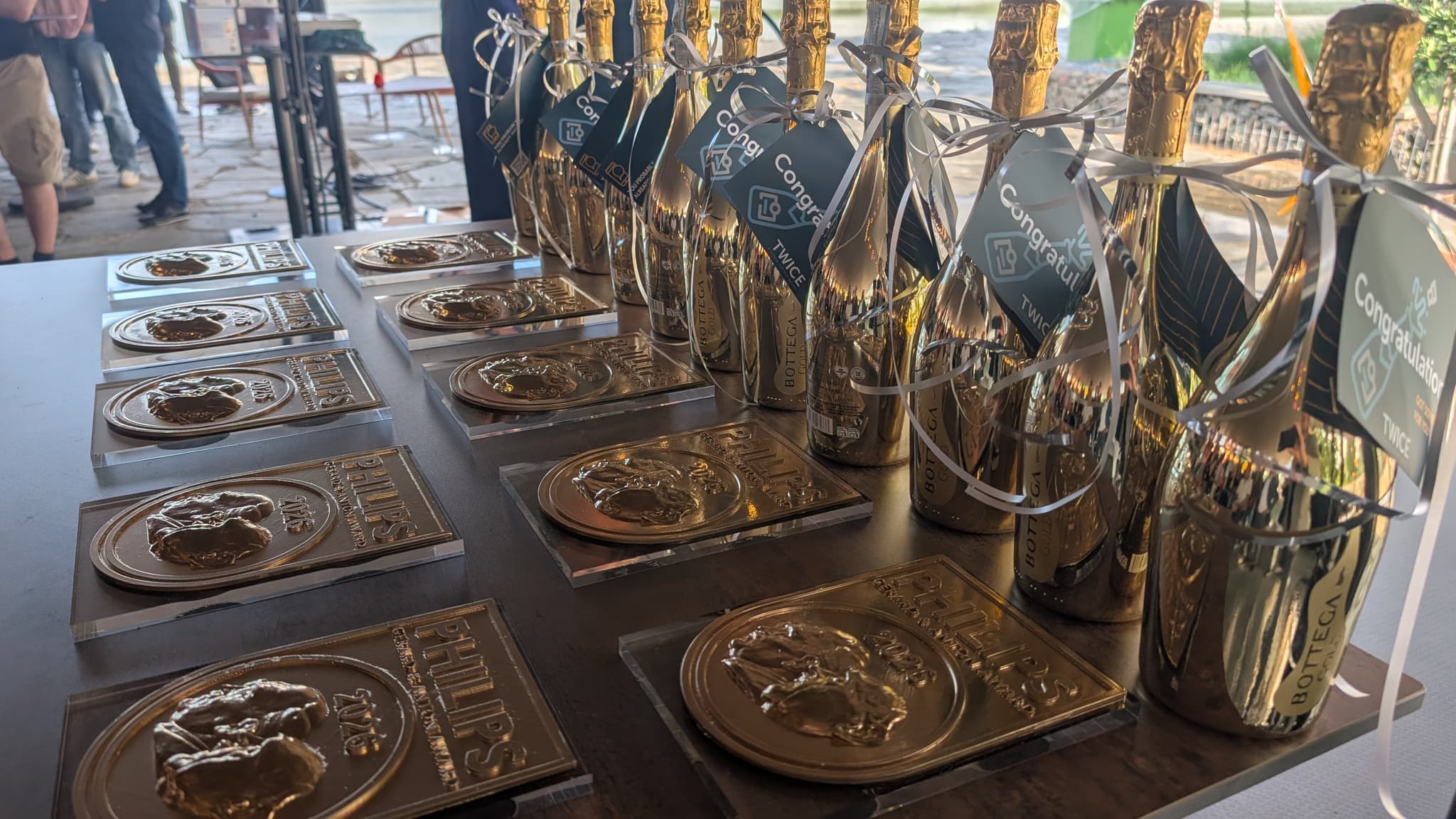
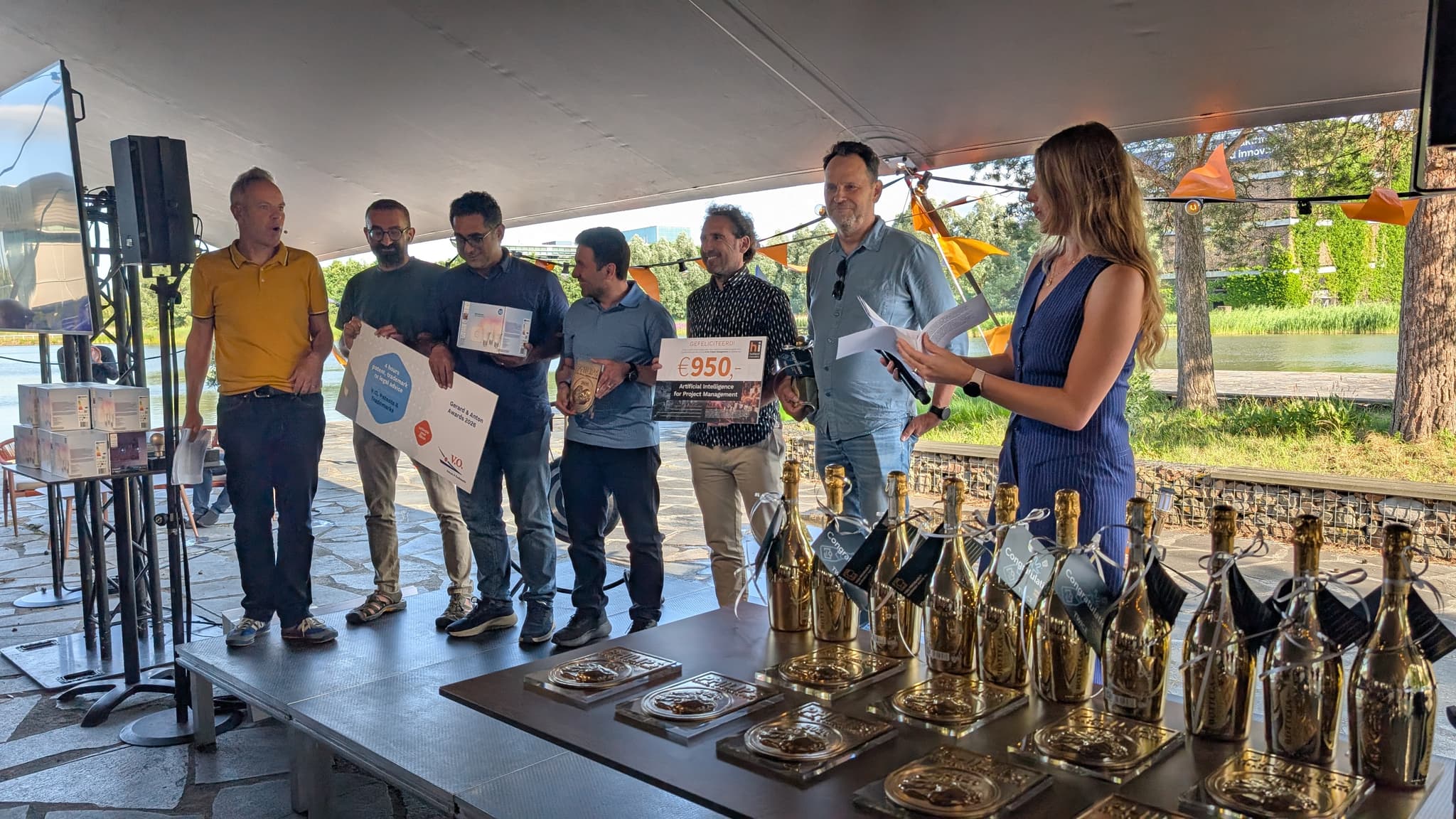
These are the ten winners, with the jury report below the names:
ATA Mute
The energy transition will only truly succeed when new technology can be comfortably integrated into everyday life. ATA Mute understands this better than most. Heat pumps, ventilation systems, vehicles, wind turbines and industrial installations deliver many benefits, but they can also cause noise nuisance. Noise then becomes a practical barrier to acceptance.
ATA Mute develops ultra-thin acoustic technology that can dampen noise and vibrations far more precisely than traditional solutions. The jury particularly appreciates that the company does not treat acoustics as a cosmetic afterthought, but as an integral part of product development. With applications including heat pumps, HVAC, mobility and energy installations, ATA Mute connects quality of life with technological progress. That is precisely where its strength lies: making the energy transition quieter, more acceptable and therefore faster.
Astrape Networks
AI does not only require faster chips. It requires data centres in which huge volumes of information can move without delay, waste or unnecessary energy use. Astrape Networks focuses on precisely this often-overlooked issue: the connections among computing power, storage, and systems.
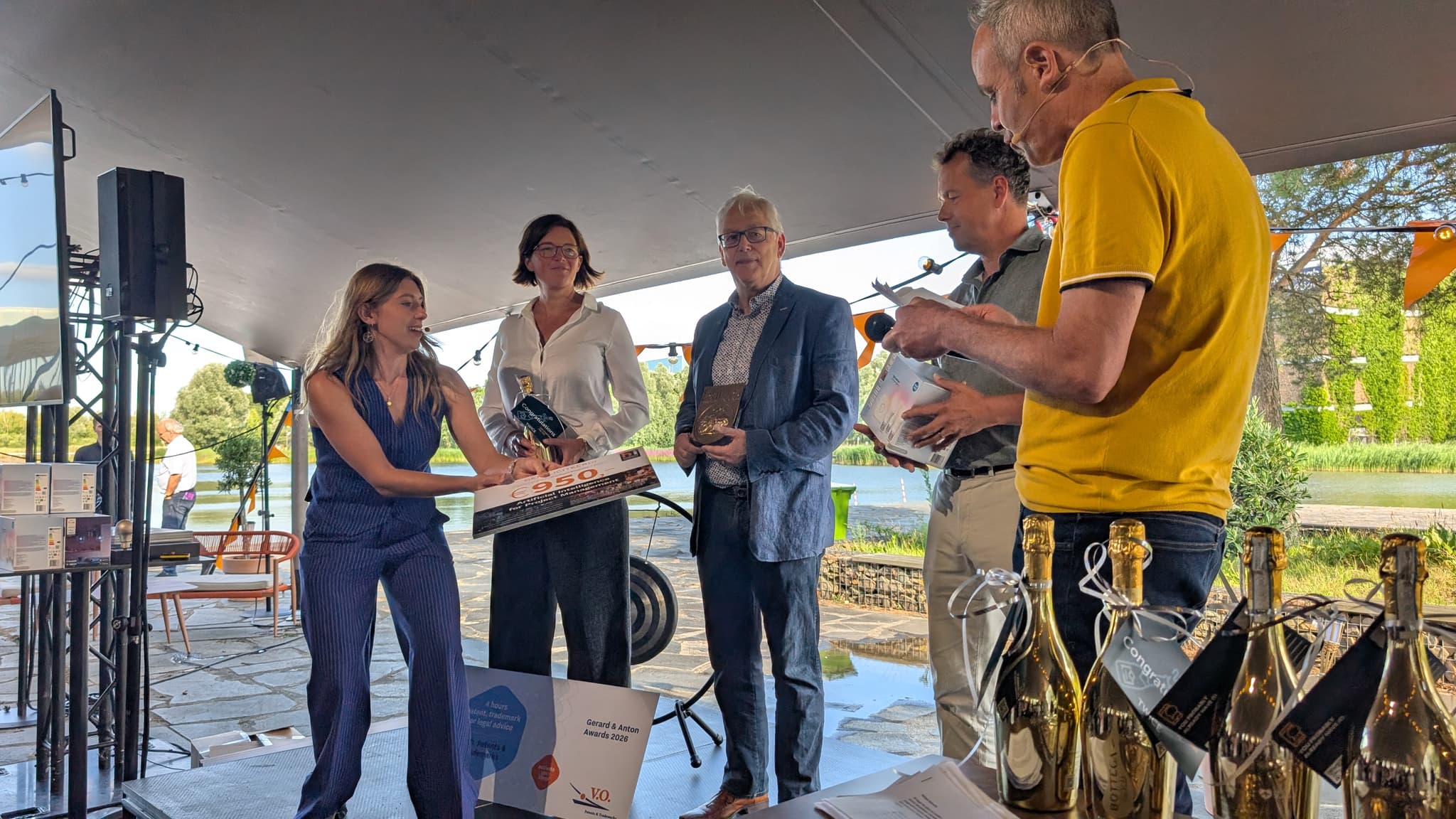
The jury sees Astrape as a startup that translates advanced photonics and network technology into a system challenge of global urgency. The company is developing a programmable network architecture that brings together scale-up, scale-out and the interconnection of AI and HPC systems. This offers an alternative to the fragmented, energy-intensive infrastructure on which many data centres still operate. Its move toward a dedicated demonstration centre underscores its efforts to take its technology out of the lab and into practice.
Avendar
Governments face increasingly complex tasks: fraud, organised crime, cyber threats and licensing procedures require swift yet careful decision-making. At the same time, crucial information is often scattered across systems, case files and organisations. Avendar turns that fragmentation into actionable intelligence.
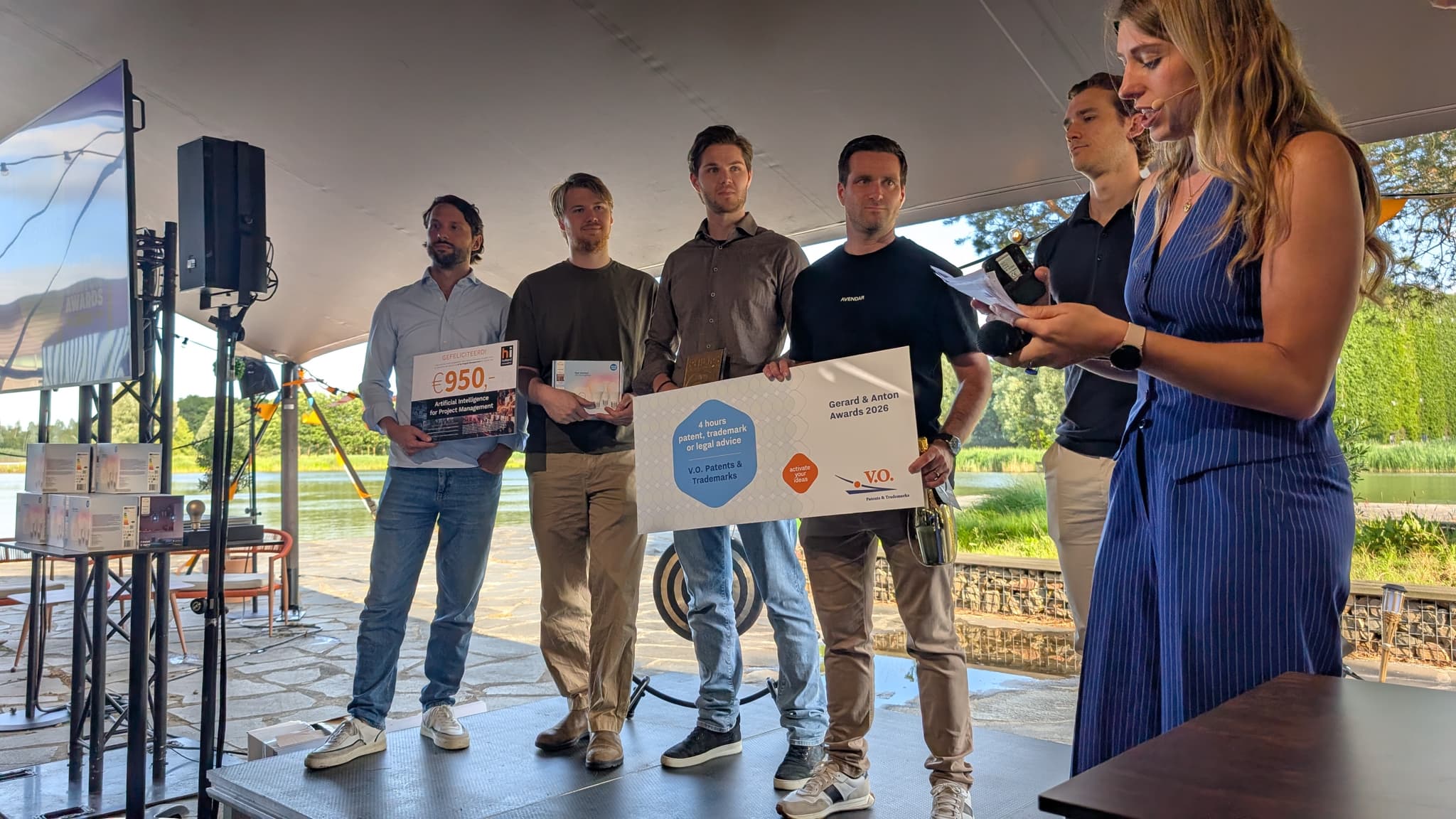
The jury praises Avendar for applying AI in a field where technology must deliver immediate public value. The company develops software that helps analyse large volumes of data and makes signals visible for use in, among other things, investigations and public administration decision-making. Avendar deliberately follows a European, sovereign path: technology for public institutions, built within the legal and social context in which those institutions operate. Its existing deployments with the Dutch National Police and the City of Amsterdam show that ambition is matched by concrete traction.
CoolSem Technologies
Tomorrow’s chip performance is not determined by computing power alone. Heat is at least as decisive. When semiconductors become too hot, performance falls, reliability declines, and energy consumption rises. CoolSem chooses to tackle that problem not on the outside of a chip, but at its source.
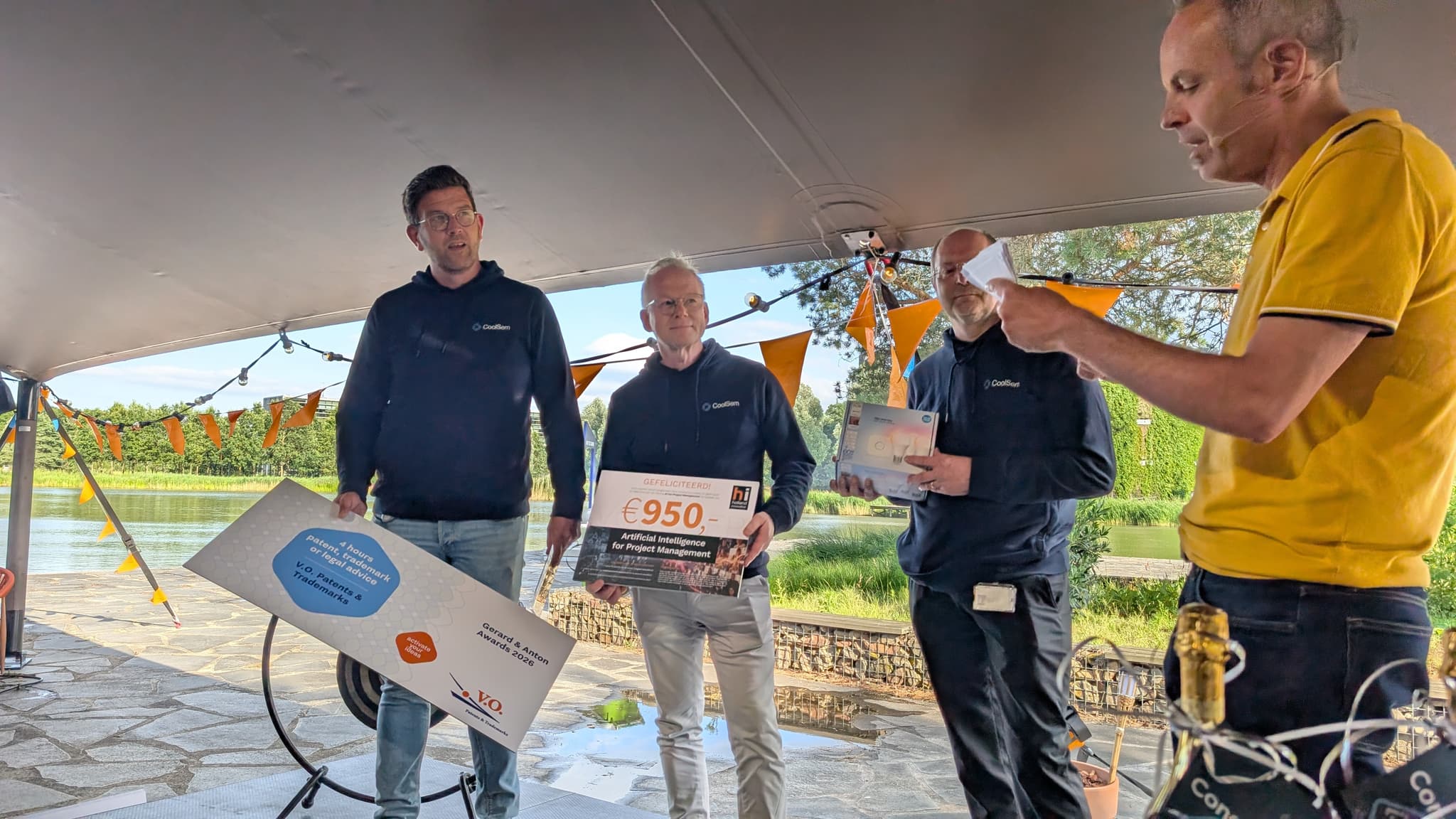
With its wafer-level thermal technology, CoolSem targets a crucial bottleneck in photonics, RF technology, power electronics and advanced chips. The jury sees a company that turns a fundamental materials and manufacturing problem into a commercial opportunity for the entire high-tech value chain. That is typical of Brainport: going deep into technology without losing sight of the industrial end goal. CoolSem makes it clear that energy efficiency does not always start with software or system design, but with the chip's physical architecture.
Euclyd
The explosive growth of AI has produced an uncomfortable truth: intelligence at scale demands ever more energy, memory and data-centre infrastructure. Euclyd is not choosing a small optimisation within existing systems, but a fundamentally new approach to AI inference.
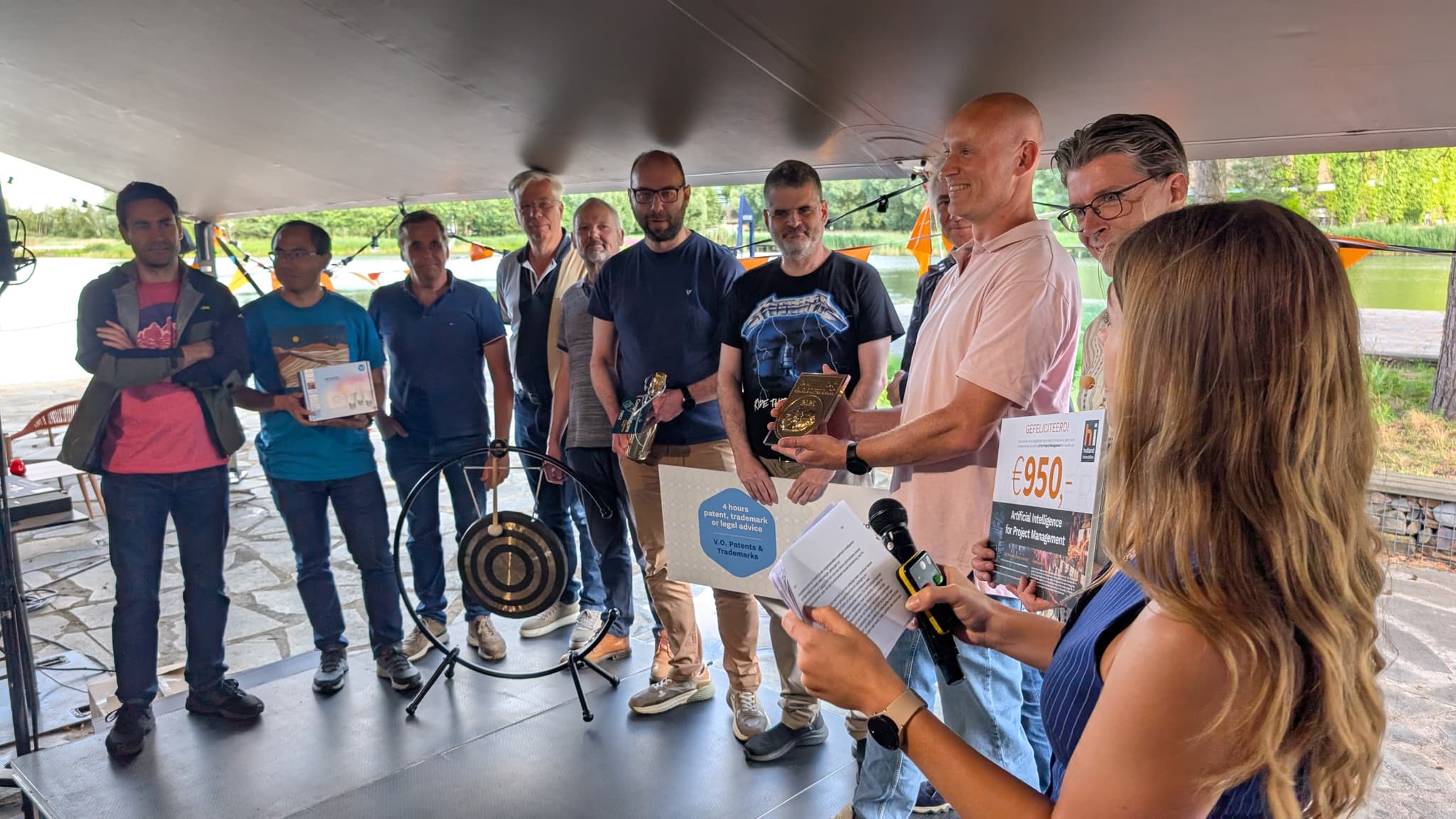
The jury values Euclyd’s boldness in rethinking the entire chain: from processor architecture and memory hierarchy to packaging and system level. With CRAFTWERK, the company aims to make AI inference far more energy-efficient, compact, and affordable. The technology is still in the development and validation phase, but the ambition is clear and relevant: to give Europe a strong position in the infrastructure that underpins the next generation of AI. Euclyd shows that Brainport does not merely supply components to the global chip industry but also dares to build new system architectures of its own. And openly taking on NVIDIA makes it even better: who says Brainport lacks bravado?
Helia Biomonitoring
In the food and biopharmaceutical industries, much is measured, but often only after a process has already taken place. Helia Biomonitoring wants to reverse that logic. By measuring biomolecules in real time during production, manufacturers can adjust more quickly, prevent quality losses and make better use of raw materials.
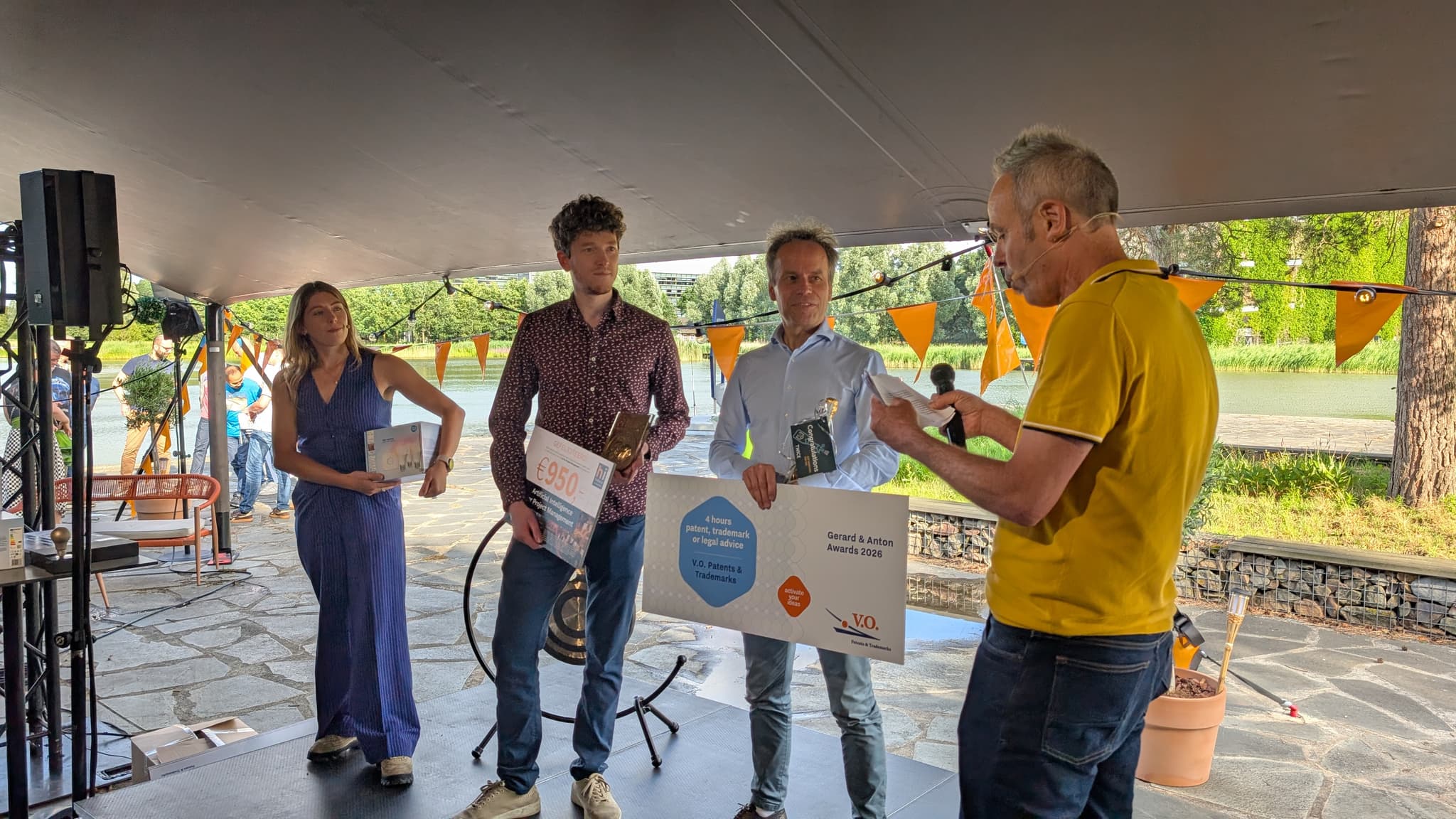
The jury sees Helia as a strong example of how scientific knowledge can generate social and industrial impact through entrepreneurship. The startup builds on advanced biosensor technology and, with its Atline Analyser, targets applications that are immediately economically and operationally relevant for manufacturers. Its initial focus on, among other things, lactoferrin in milk shows how complex technology can enter a concrete market. Helia combines patience, scientific depth, and a sharp focus on applications that can scale faster than its original medical route.
Luper Technologies
Odour nuisance around wastewater-treatment plants and industrial sites is an immediate and persistent problem for local residents. For operators, it is often difficult to manage peak emissions reliably without high costs, intensive maintenance or large quantities of additives. Luper tackles this challenge with technology that makes air purification more predictable and manageable.
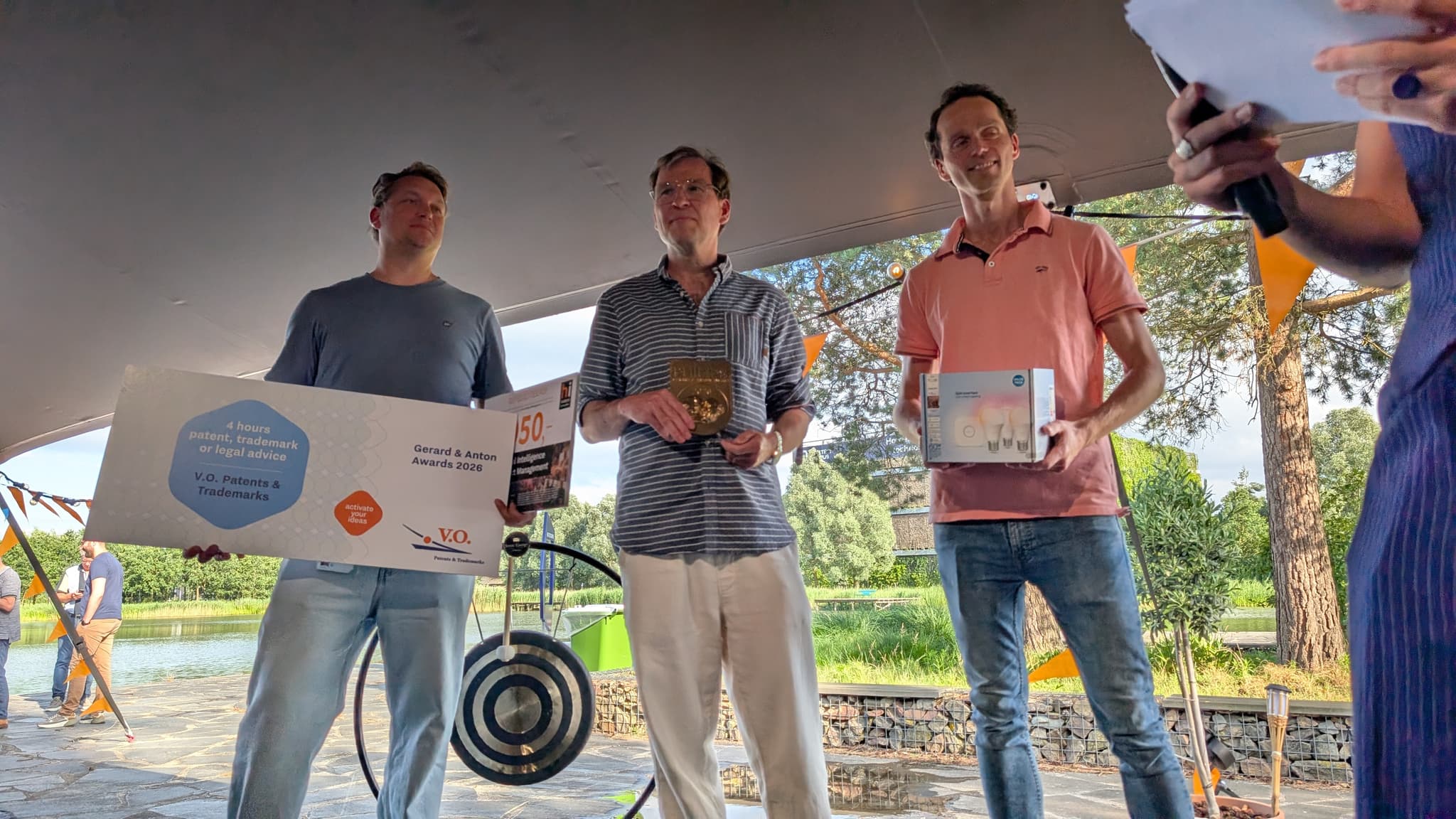
The jury values Luper because it turns an apparently everyday problem into a serious technological challenge. Its AirShield technology targets complex mixtures that include sulphur-containing compounds. During peak periods, the system can automatically deploy additional purification capacity. In doing so, Luper contributes to cleaner industrial processes and a better living environment around them. It shows that deep tech can also be found in solutions that people mainly recognise by what is no longer there: odour, nuisance and frustration.
Perovion Technologies
Europe wants to reduce its dependence on foreign solar-panel production, but that will only happen if new generations of solar technology can also be scaled industrially. Perovion Technologies is focusing precisely on that transition: from years of perovskite research to large-scale production.
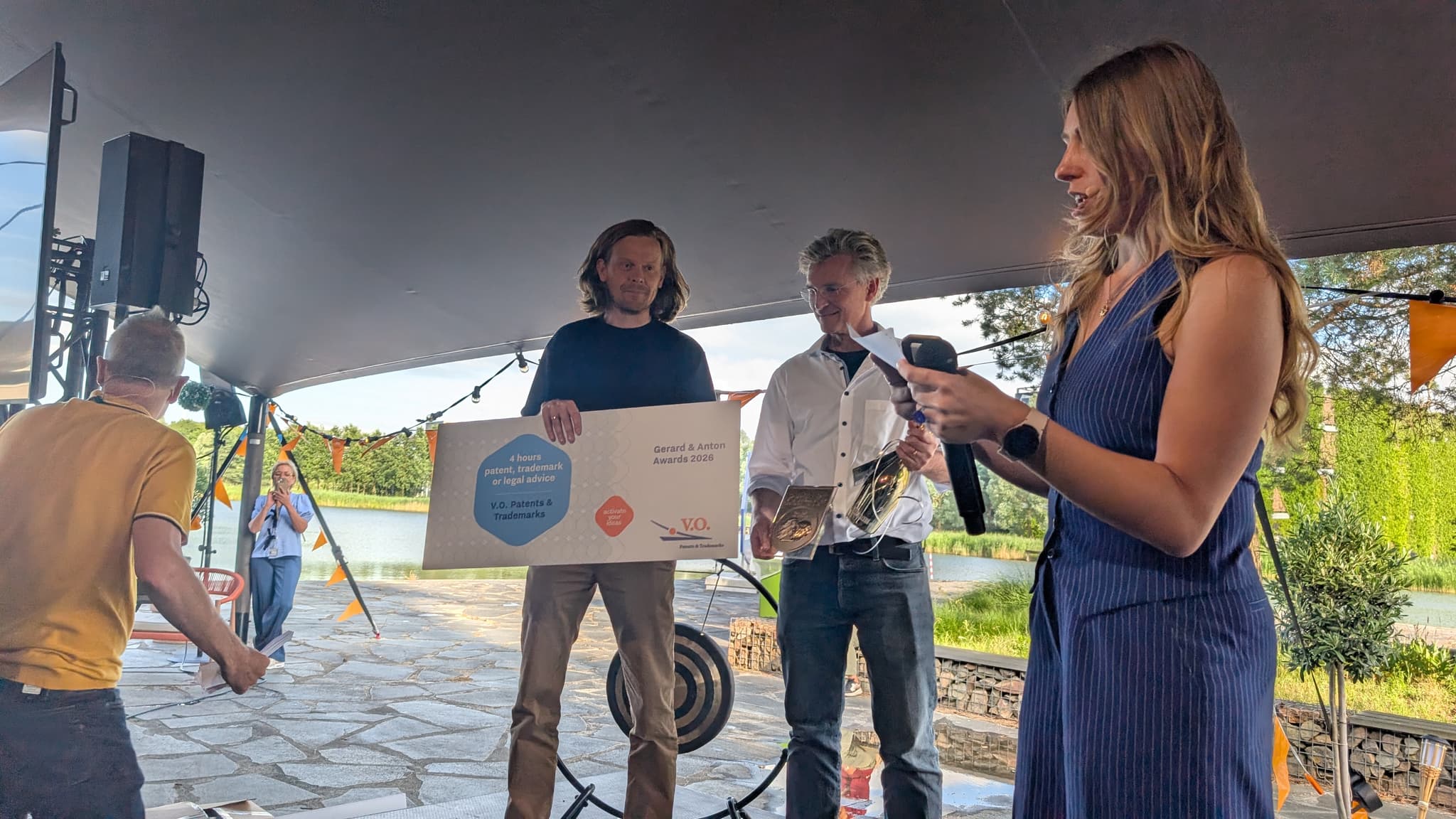
The jury sees Perovion as a startup with a compelling combination of technological ambition and industrial vision. The company develops lightweight, flexible solar cells on thin foils, intended for applications where conventional glass solar panels are too heavy, rigid, or limited. Its chosen roll-to-roll manufacturing method also opens the prospect of fast, large-scale production. Perovion is therefore not only developing a new solar product, but building a European manufacturing value chain for the energy transition. That makes the company highly relevant to climate, industry and strategic autonomy.
Photon Bridge
AI and data traffic demand ever-faster, more efficient connections. Electrical interconnects are approaching their limits. Photon Bridge develops optical technology that uses light to carry data, while keeping manufacturability and scalability firmly in view.
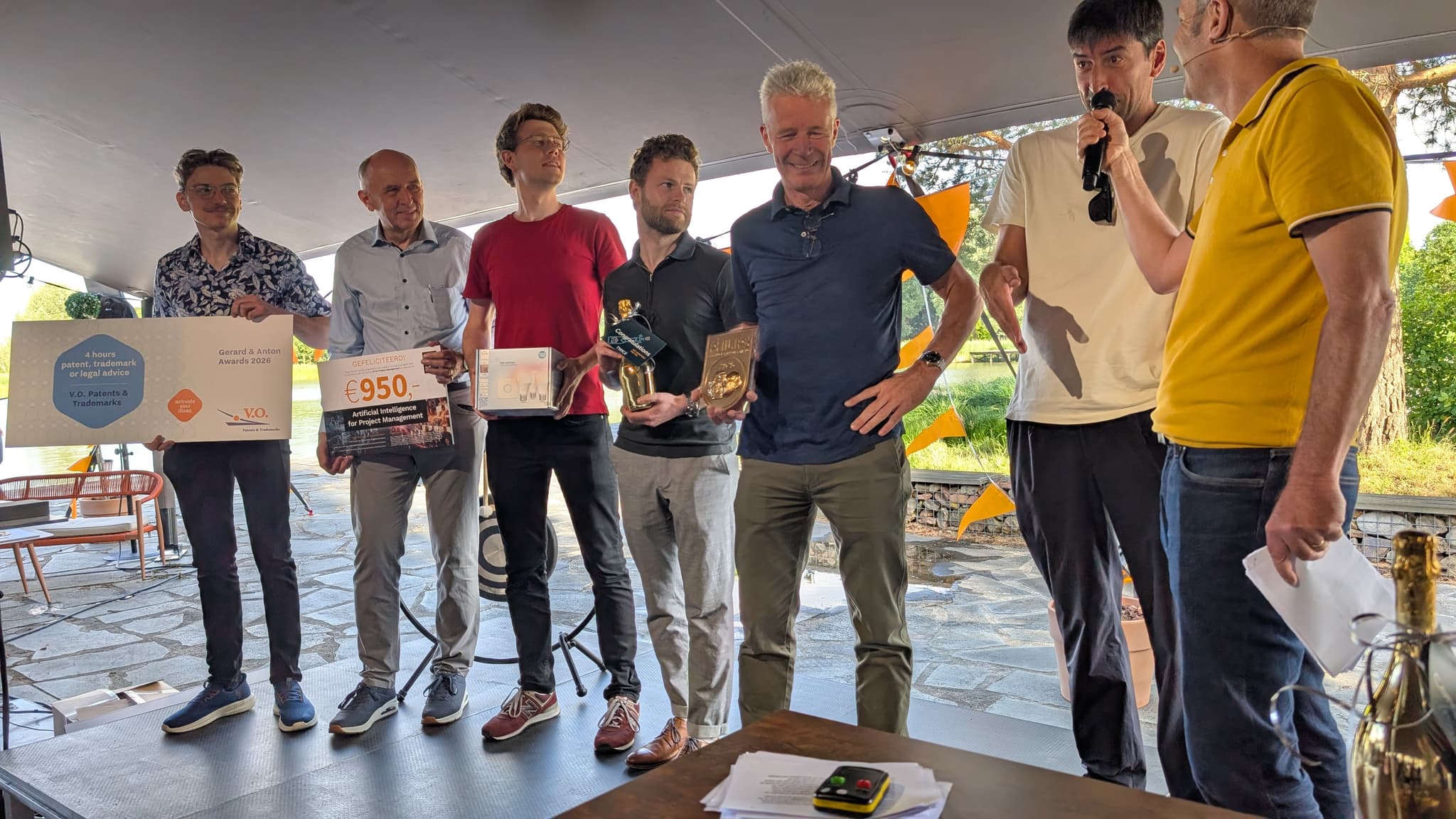
The jury praises Photon Bridge for its modular approach to integrated photonics. Rather than bringing everything together in one complex chip structure, the company separates active and passive components and then combines them with high precision. This approach can improve manufacturing yield, reduce costs and pave the way for more robust optical systems. Photon Bridge proves that a technological breakthrough becomes truly meaningful only when the manufacturing challenge is also solved. In this way, the company is building an important foundation for tomorrow’s data centres, sensors and telecommunications systems.
Touchwaves
In high-pressure environments, people are often the first to become overloaded. Pilots, military personnel, healthcare professionals and elite athletes must continue to act quickly and sharply under stress, while screens, alarms and communication channels can further fragment their attention. Touchwaves chooses a surprisingly human alternative: communication through touch.
The jury sees Touchwaves as a distinctive example of Brainport technology that puts people at the centre. The startup combines haptic feedback, biosensors and smart data analysis in wearable textile technology. A garment can thereby provide real-time information through touch, for example, to support breathing, focus, recovery and situational awareness. Touchwaves links printed electronics to applications in defence, healthcare and sport. The company shows that the next human-machine interface does not always have to be a screen, a voice, or a button. Sometimes touch is faster, calmer and more effective. The strong interest from the defence world shows that Touchwaves has its product and its timing exactly right.
The Gouden Peertje (Golden Lightbulb): Syntric Medical
With the Gouden Peertje, the jury traditionally puts an exceptionally young company in the spotlight: a startup still at the beginning of its journey, yet already showing an exceptional convergence of technology, team and social relevance. This year, the distinction goes to Syntric Medical.
Syntric Medical is developing a robotic system for CT-guided needle interventions, initially for lung biopsies. Here, precision is literally vital: breathing and tiny movements can make the difference between a usable tissue sample and a procedure that has to be repeated. Syntric Medical’s technology compensates for those movements, helping radiologists place the needle more accurately and safely. The company can therefore contribute to faster, more reliable diagnosis of lung cancer and, ultimately, a better treatment pathway for patients. The jury is impressed by the combination of clinical urgency, technical depth, and the mature way this young team approaches its market and development path. Earlier this year, Syntric Medical also won the MedTech Venture Challenge Winter 2025/2026, confirming that the startup stands out beyond Brainport.
The Ignition Award - BOOST
The Ignition Award is the way in which BOOST - the platform that lifts Brabant student teams to the next level through targeted investments - puts a student team in the spotlight. Driven by the mission to connect education, industry and innovation in Brabant, we see student teams as the breeding ground for the world’s best engineers, creatives and startups. Like the rocket in our logo, the award represents the ignition phase: the moment when talent, ambition and collaboration come together, and a team takes off. The award reflects the spirit of Gerard and Anton Philips, who transformed a humble company in Eindhoven into a global player. With this prize, we celebrate a team that demonstrates the same pioneering mentality.
The winner is EDEN. According to the jury, this team is among the few student teams in Brabant to focus directly on solutions for nature and ecology, a direction still rarely explored within the student-team landscape. It is also impressive that EDEN started entirely from scratch while simultaneously establishing collaborations with five educational institutions, two of which are even outside Brabant. At such an early stage, the team already demonstrates an ability to bring people together, both substantively and organisationally.
Technology with social value
Together, these ten winners show that Brainport in 2026 is looking beyond the hype of the moment. AI, chips, and data naturally play important roles. But the core of this cohort goes deeper: technology must ultimately save energy, improve production, protect people, strengthen governments and enable societal progress.
What stands out is the type of companies represented in this top 10. Many regions produce startups that build applications on top of existing technology. In Brainport, we see a striking number of companies working instead on the technology behind technology: chips, photonics, energy, sensors, and advanced manufacturing.
This is no coincidence. Eindhoven and Brainport have spent decades precisely building this knowledge and expertise. From Philips and ASML to NXP Semiconductors, Signify and Thermo Fisher Scientific, the region has built a unique position in the global innovation chain. As a result, relatively many entrepreneurs emerge here who are willing to take on complex technical challenges.
That is why this top 10 does not feel like a collection of separate startups, but like the next generation of an ecosystem that has been producing new technology companies for years. Not the next app, but technology that enables other technology.
The jury sees in Avendar, CoolSem, Luper, Euclyd, Photon Bridge, Astrape, ATA Mute, Perovion, Touchwaves and Helia Biomonitoring ten companies that are still at the start of their journey, yet already demonstrate the scale and ambition to transform their fields. These are the startups Brainport needs: technically exceptional, entrepreneurial, internationally minded and rooted in real-world challenges