
Invest-NL: We risk losing our lead in agrifood innovation
"Targeted investment and better conditions could generate an additional €17 billion in annual revenue."
Published on October 30, 2026

Team IO+ selects and features the most important news stories on innovation and technology, carefully curated by our editors.
The Netherlands has everything it needs to remain a global leader in agricultural and food innovation, but it risks losing its competitive edge to faster-moving countries. This is the conclusion of a new report published today by Invest-NL, the national promotional institution of the Netherlands. From alternatives to chemical pesticides and climate-resilient crops to new proteins produced through fermentation, the Netherlands has the expertise. Yet companies seeking to bring these innovations to market face significant scaling barriers.
If these companies can bring their products to market and scale up faster, Dutch agrifood biotech companies could generate about €17 billion in additional annual revenue by 2040, according to Invest-NL's calculations. Based on interviews with more than 150 entrepreneurs, investors, researchers, and policymakers, along with 15 years of investment data, the report identifies the main growth opportunities and barriers holding the sector back in the Netherlands.
A ten-year wait for alternatives to chemical crop protection products
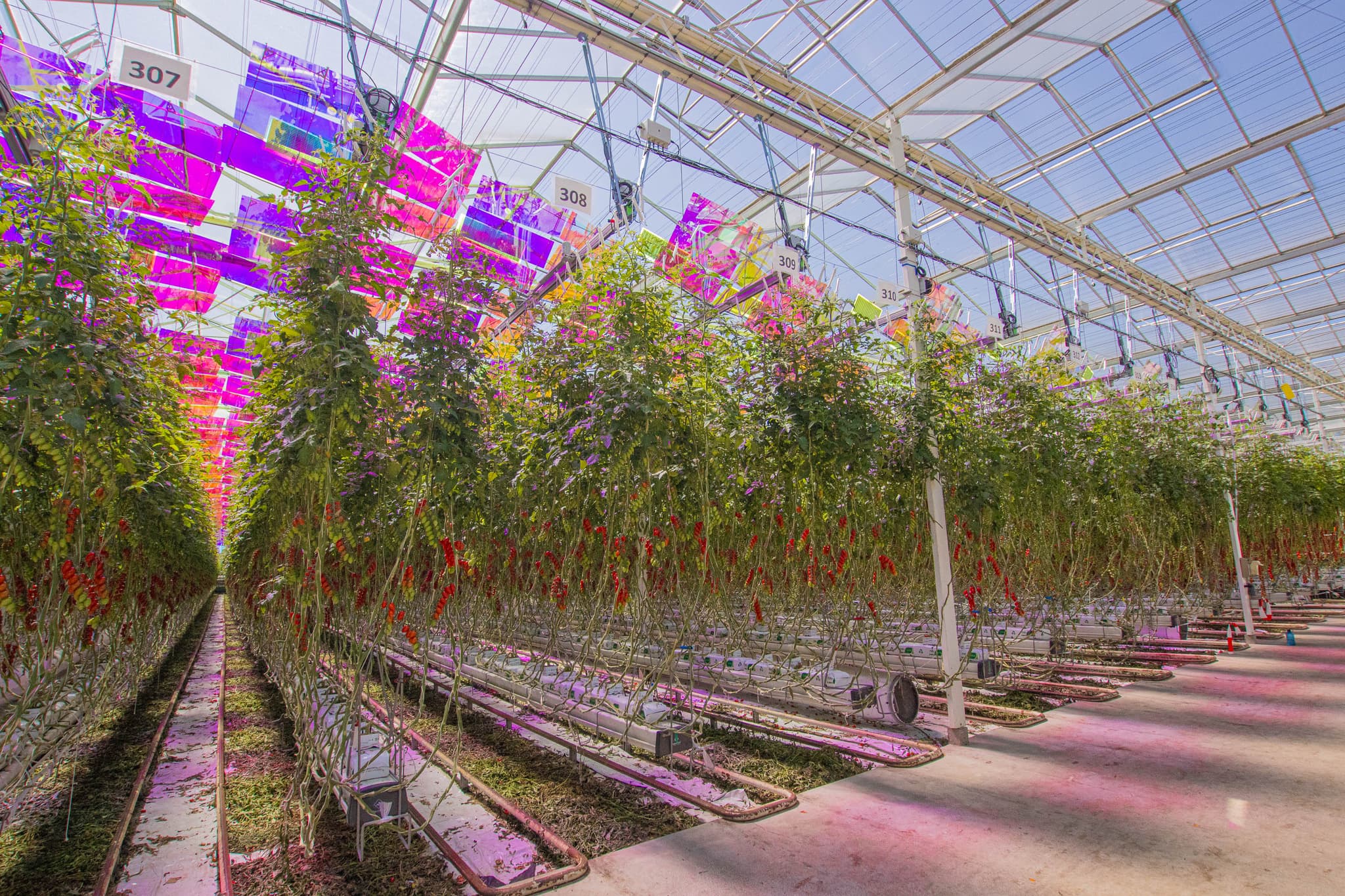
The report illustrates the challenges facing biological crop protection companies, an area in which the Netherlands is a global leader. Obtaining regulatory approval for a new product in Europe can take eight to ten years. The regulatory framework was largely designed for chemical products and does not always adequately reflect the characteristics of biological alternatives. As a result, some companies choose to launch their products first in Brazil and the United States. According to the experts consulted, this means the Netherlands risks missing out on growth in a market expected to expand seven- to tenfold by 2040.
Financing for the first production facility is lacking
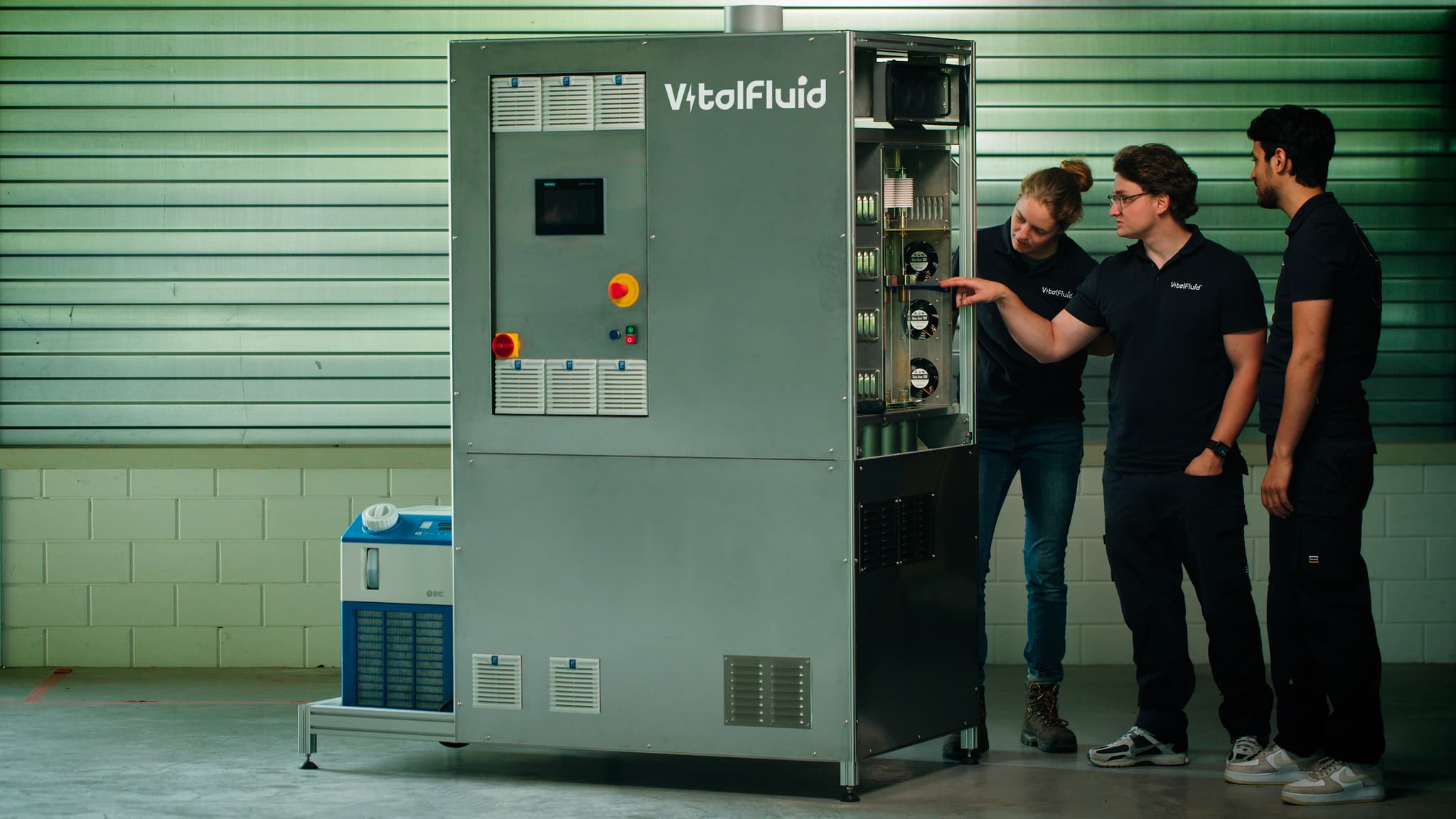
Companies developing novel food ingredients, such as fermentation-derived proteins, face similar challenges. Regulatory approval in Europe takes one to three years longer than in the United States. Scaling up presents another major hurdle: building a first production facility can easily cost tens or even hundreds of millions of euros.
Yet no clear financing pathway exists for this stage of development. Existing support schemes are often unsuitable and sometimes exclude these companies precisely because they operate at a loss for several years. With the right measures in place, Dutch companies could generate approximately €8 billion in annual revenue from these ingredients by 2040. Under current policies, that figure is expected to remain at around €2 billion.
"The science is becoming increasingly effective. The real challenge is financing the journey to commercial scale," says Corjan van den Berg, co-founder of Revyve, which produces proteins from yeast. "Venture capital alone is not enough. Scaling food biotech also requires loans, guarantees and grants to make the transition to industrial-scale production."
Crop protection agreement
The report is directly relevant to the crop protection agreement currently being developed in the Netherlands. Reducing the use of chemical crop protection products requires viable alternatives. The Netherlands can act even within the existing European regulatory framework. The Board for the Authorisation of Plant Protection Products and Biocides (Ctgb), the Dutch regulatory authority responsible for authorising crop protection products, could allocate more resources to biological products, provide earlier guidance to companies and prioritise the assessment of biological crop protection products. Growers should also be able to test new products under real-world conditions while regulators complete their assessment.
Sharing the risks
Invest-NL calls for coordinated action across the sector. More companies need to emerge, regulatory conditions and access to testing facilities must improve, and customers need to become involved earlier. Public capital can also help share the risks associated with first-of-a-kind production facilities, unlocking private investment.
The report emphasises that this does not mean lowering safety standards. Instead, regulatory frameworks should match the products being assessed. The Netherlands also does not need to manufacture everything domestically. The priority is to retain knowledge, companies and strategically important parts of the value chain in the Netherlands.
"The opportunity will not wait"
"The Netherlands is well positioned to lead in agrifood biotech, but this opportunity will not wait," says Jellie Banga, Chief Business Officer at Invest-NL. "New technologies need regulators willing to authorise them, farmers willing to test them, consumers and food companies willing to buy them, and investors willing to finance them. Making this happen requires collaboration across the entire value chain."
The report was presented on Friday morning at an event attended by approximately 100 entrepreneurs, investors, researchers and policymakers. It was formally handed over to Marten van den Berg, Director-General at the Dutch Ministry of Agriculture, Fisheries, Food Security and Nature.
The full report is available for download at https://www.invest-nl.nl/en/insights-and-publications/deep-dive-agrifood-biotech.