
Optics11 raises 50 million for submarine cable monitoring
Optics 11 is developing fiber-optic technology that can be used to monitor undersea cables.
Published on November 10, 2026
Credits: Optics11

Team IO+ selects and features the most important news stories on innovation and technology, carefully curated by our editors.
The Dutch deep-tech company Optics11 has raised 50 million euros in new investments. The Amsterdam-based company develops fiber-optic technology that can be used, among other things, to monitor undersea cables and other critical infrastructure on the seabed. With this new investment, the total capital raised over the past fifteen months now exceeds 100 million euros.
Threat of sabotage
The investment comes from four existing investors: FORWARD.one, Value Creation Capital, SET Ventures, and JOIN Capital. The funds will be used to expand production capacity and accelerate international growth. Demand for the technology is increasing due to the growing threat of sabotage and hybrid attacks on critical infrastructure.
Detecting sound and vibrations
Optics11’s technology has its origins in research conducted at VU University Amsterdam. The company uses light in fiber-optic cables to detect sound and vibrations. The fiber-optic cable acts as a kind of long, sensitive microphone. By analyzing changes in the light, the system can determine where vibrations are coming from and what might be causing them.
One hundred kilometers
This makes it possible to monitor activities on the seafloor. Examples include ships sailing near undersea cables, anchors dragging across the seafloor, or other activities that could cause damage to cables. The OptiBarrier system can detect and classify underwater activities at a distance of up to one hundred kilometers from the coast.
Mobile sensor towed behind a ship
Optics11 is also developing OptiArray: a mobile fiber-optic sensor that can be towed behind a ship to detect undersea activities. Earlier this year, the Dutch Ministry of Defense selected this technology for the ASWINABO program (Anti-Submarine Warfare In A Box). With this, the navy aims to enable undersea detection from various manned and unmanned vessels.
Applications for power grids
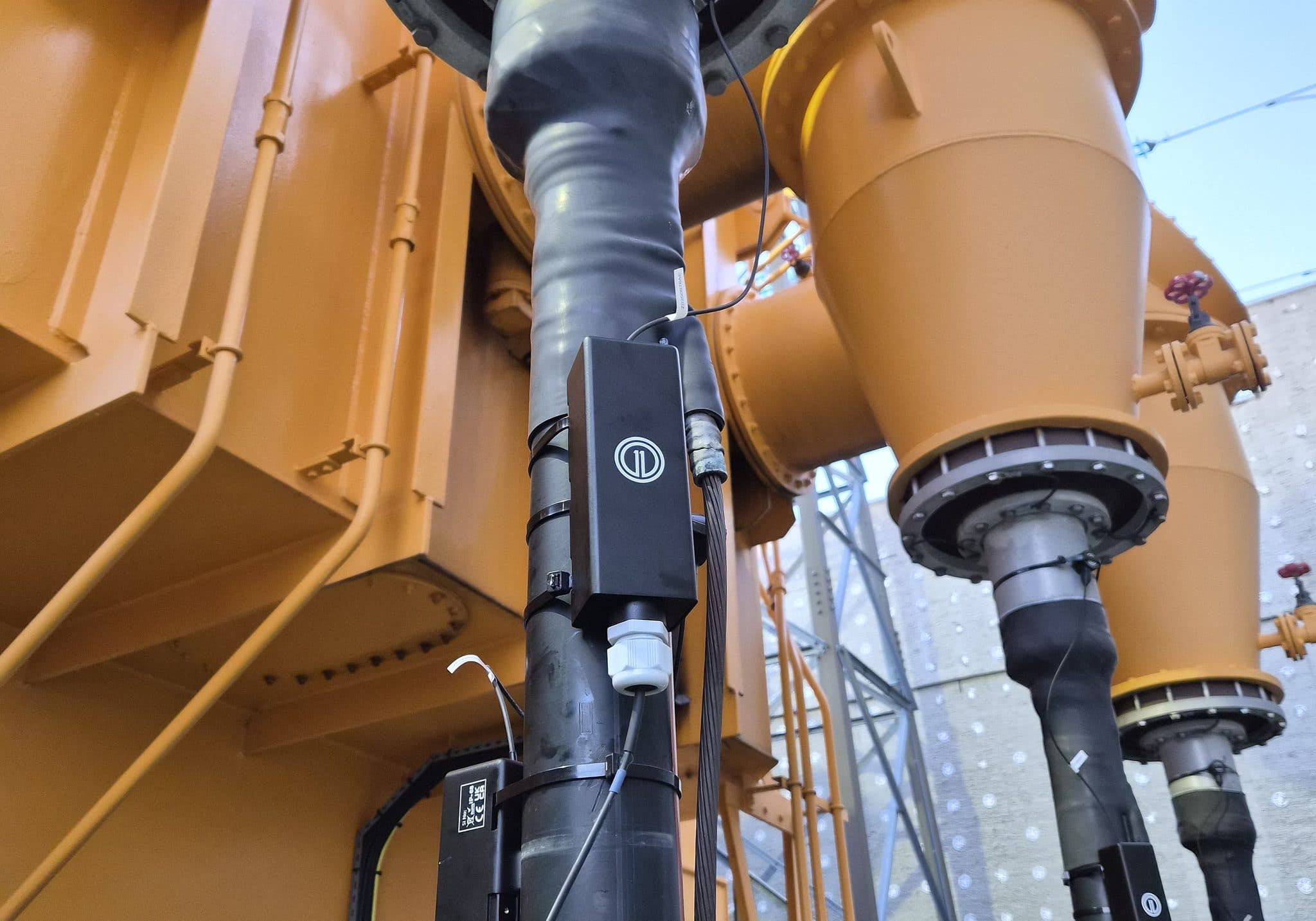
In addition to maritime applications, the company is developing technology for power grids. The OptiFinder system detects incipient faults in high-voltage installations, allowing operators to identify problems earlier.
According to CEO Paul Heiden, the new investment reflects the international demand for technology to protect critical infrastructure.