
PAL-V: ‘We will become the Tesla of the fly-drive industry’
According to the company, PAL-V’s Dutch flying car will be delivered to its first customers within a year and a half.
Published on September 9, 2026
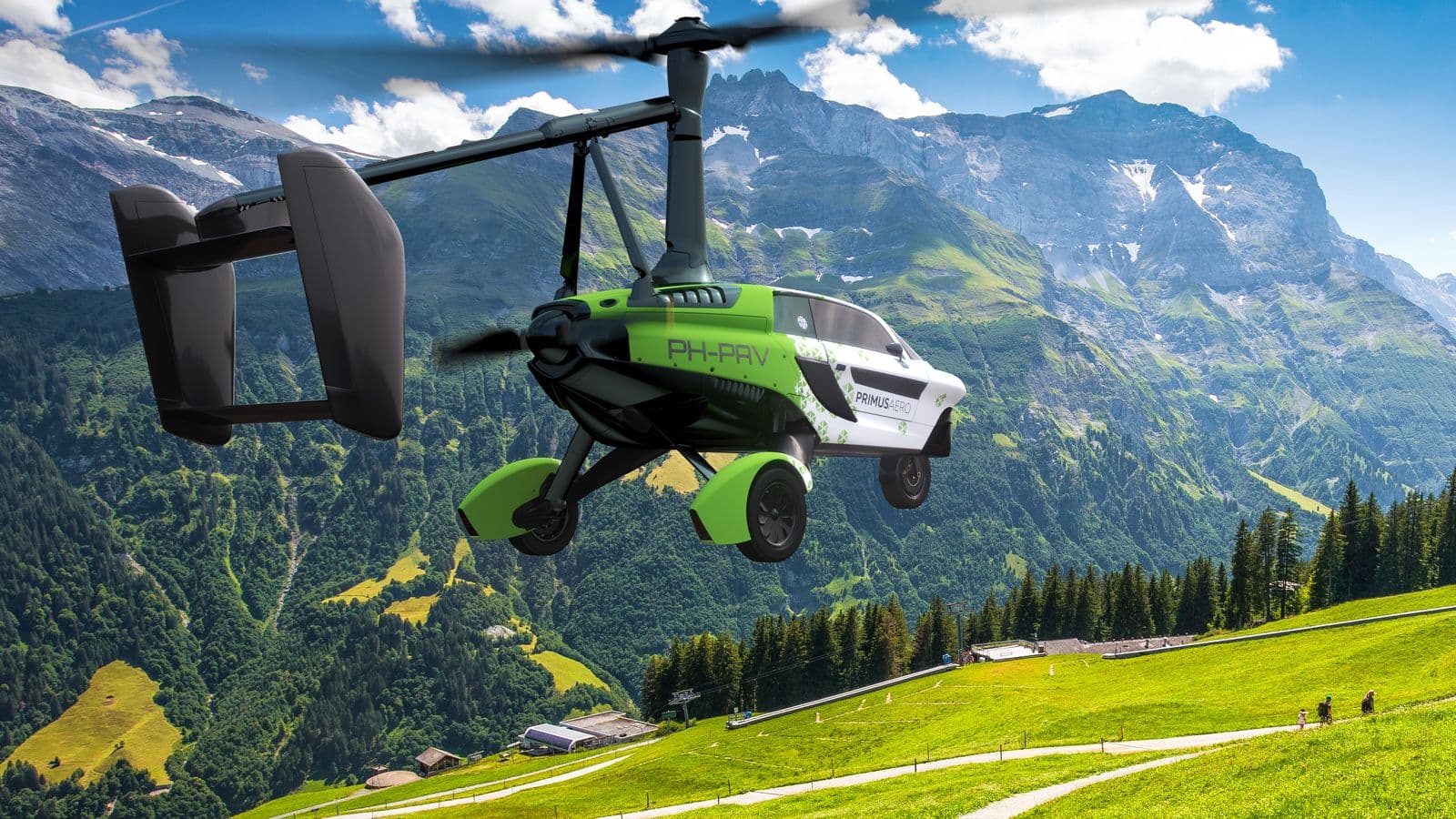
PAL-V recently received approval from the European Union Aviation Safety Agency (EASA) to begin producing flying cars. According to CEO Robert Dingemanse, PAL-V has a significant lead over its competitors. “We are 10 to 15 years ahead of anyone else in the world with our company,” he says.
To make this possible, PAL-V is building a production facility in Brabant, where the initial goal is to manufacture between 50 and 100 aircraft per year. During the first one to two years, the company plans to deliver the flying cars from Brabant. After that, it will decide on the location of a larger factory.
The initial production capacity already appears to be largely covered: according to Dingemanse, the current order book represents three years of production. He also expects the market to grow rapidly after that. “In Europe and America, I always say: we will become the Tesla of the fly-drive industry.”
Safer and easier
The PAL-V is a three-wheeled vehicle that flies according to the principles of a gyrocopter. According to Dingemanse, this offers significant advantages. “A gyrocopter is much safer, much easier to fly and much cheaper to operate than a helicopter.”
This distinction is also relevant to how the vehicle is used. On the road, it is treated as a road vehicle, while in the air, aviation regulations apply.
Customers
According to PAL-V, the first customers will mainly be organizations that need to reach different locations quickly. “Anywhere there is a particular specialization that benefits from something that can both drive and fly,” says Dingemanse. Examples include fire departments, police forces, border control agencies, and search-and-rescue services.
PAL-V also expects entrepreneurs, companies and doctors to become customers. The vehicle should enable them to travel from A to B more quickly and, for example, visit more customers as a result.
Certification as a competitive advantage
PAL-V considers its years of development and cooperation with aviation authorities to be a major advantage over its competitors. “The certification lead we have cannot be caught up with,” Dingemanse says.
According to Dingemanse, this advantage not only helps PAL-V attract financing, but also supports the company’s further development. The certification process for a flying vehicle is long and complex. PAL-V has been working on this for years in cooperation with European aviation authorities. Competitors that enter the process later still have to go through these steps before they can bring a comparable vehicle to market.
“If you are the one who is furthest ahead, you are also the first to receive support and the first to get funding,” says Dingemanse.
Flying on gasoline
For now, the company has deliberately chosen not to use electric propulsion. The PAL-V currently drives and flies on regular gasoline. In the future, however, PAL-V plans to use synthetic fuels as an alternative to conventional gasoline.
According to the company, PAL-V is working with e-fuel producers that manufacture fuel using energy from solar and wind power. The company aims to be one of the first customers to use these fuels. “From day one, we can fly CO₂-neutral,” he says.