
Solar eclipse temporarily reduces solar energy output
Wednesday's partial solar eclipse is affecting electricity generation in Europe.
Published on August 10, 2026

Team IO+ selects and features the most important news stories on innovation and technology, carefully curated by our editors.
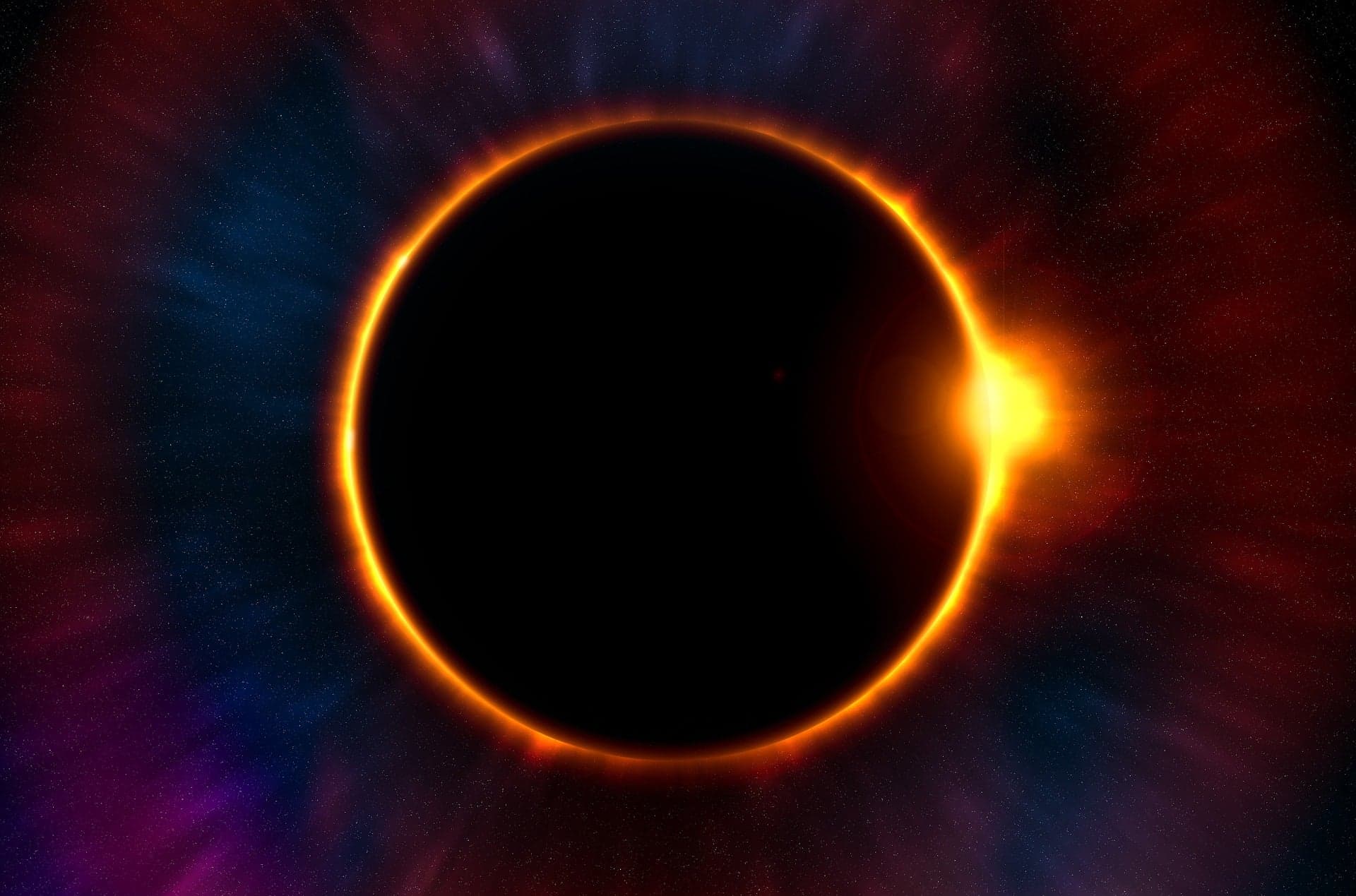
Wednesday’s partial solar eclipse will affect European electricity production. Germany and Spain, in particular, may temporarily generate less solar energy.
When the moon passes between the Earth and the sun on Wednesday evening, the amount of sunlight reaching solar panels will temporarily decrease. As a result, between approximately 7:15 p.m. and 9:30 p.m., less solar electricity can be produced in parts of Europe.
.png&w=2048&q=75)
Preperation
According to ENTSO-E, the European umbrella organization for transmission system operators, Germany and Spain are particularly vulnerable to a significant drop in solar generation. Grid operators are therefore preparing for this temporary change in electricity supply.
For example, control rooms are on high alert, and energy companies have been provided with information on the expected trends in solar power generation. Additionally, scheduled maintenance work that would temporarily interrupt the power supply is being avoided whenever possible. This gives grid operators more flexibility to respond quickly if necessary.
ENTSO-E has also established a special working group to monitor the situation surrounding the solar eclipse and coordinate cooperation among European grid operators.
Solar energy: 13 percent of electricity generation
The impact is relatively significant because solar panels have become a major source of electricity in Europe. Solar energy is expected to account for approximately 13 percent of total electricity generation in the European Union.
The temporary dip in solar production is therefore primarily a test of the flexibility of the European power grid.