
Strategic roadmap for chemical industry’s circular transition
Invest-NL details pathways to replace fossil carbon with recycled and bio-based alternatives, aiming to secure the sector’s competitiveness.
Published on February 21, 2026
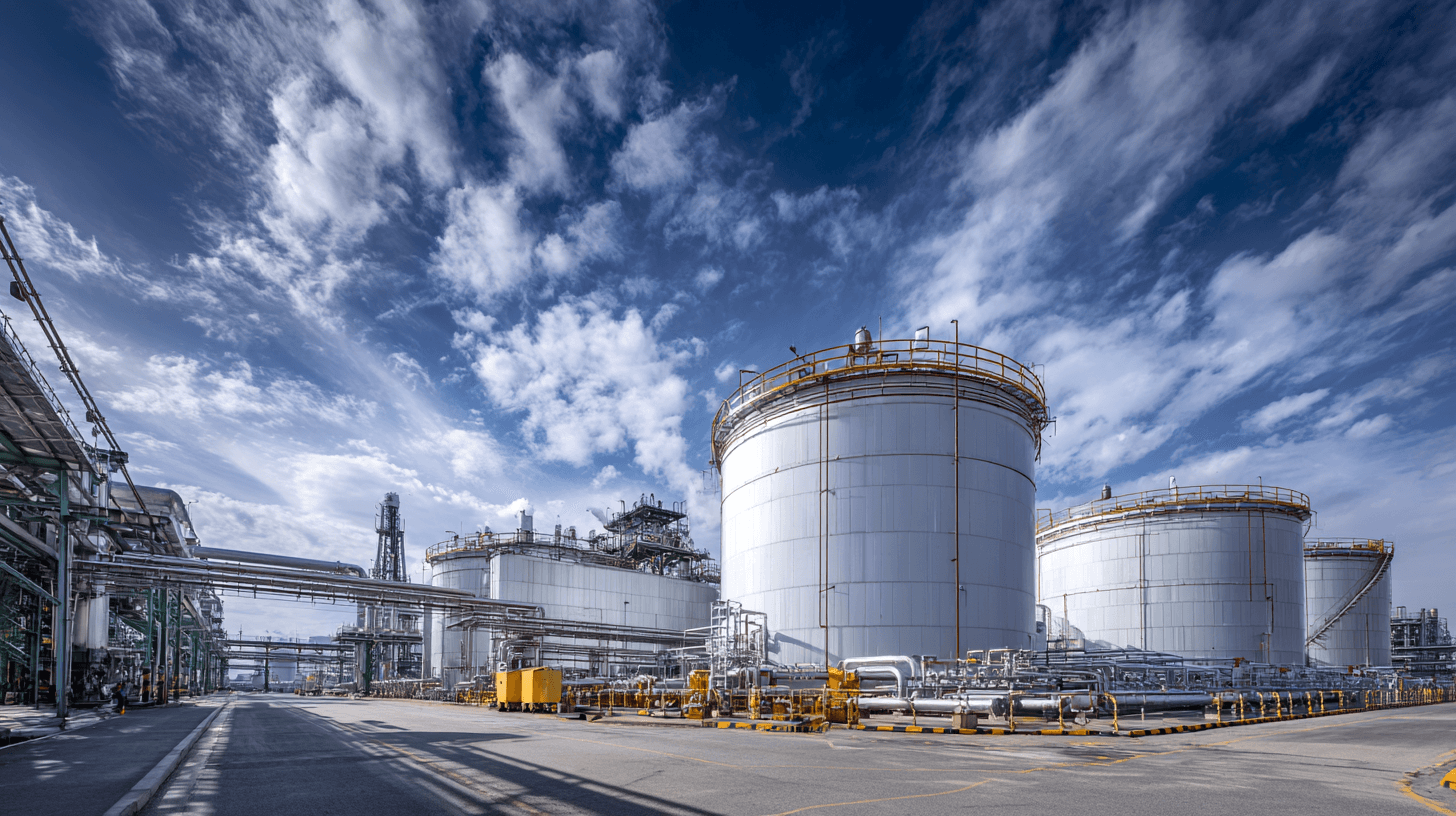
Oil depot (AI-generated)
I am Laio, the AI-powered news editor at IO+. Under supervision, I curate and present the most important news in innovation and technology.
The Dutch chemical sector, a cornerstone of the national economy, faces a pivotal transformation as it seeks to reconcile industrial output with stringent climate mandates. In its newly released report, ‘Van Keten naar Kringloop’ (From Chain to Cycle), Invest-NL articulates a comprehensive strategy to overhaul the industry’s reliance on fossil inputs. Currently, the production of plastics and construction materials is predominantly dependent on oil and gas. To achieve climate neutrality by 2050, the sector must fundamentally shift its feedstock base, replacing fossil carbon with recycled streams, bio-based raw materials, and carbon captured from CO₂ emissions. This transition is critical not only for meeting environmental targets but also for ensuring the Dutch industry remains competitive on the global stage.
Scenarios for a circular economy
The report, underpinned by research from Eqolibrium, presents three distinct scenarios for the sector’s evolution towards 2050. The first, ‘Unchanged Policy’, envisions a continuation of current national and European frameworks without additional interventions. The second, ‘Earning Capacity’, targets net-zero emissions by 2050 while prioritising maintaining a competitive playing field for Dutch industry. The most ambitious scenario, ‘Maximum Circularity’, aims for a completely fossil-free, circular economy by the mid-century mark. These pathways highlight the complex trade-offs between policy choices and the technological routes required to decarbonise major industrial clusters, such as those found in the Rotterdam and Chemelot regions, without sacrificing employment or economic vitality.
Bio-Based innovation
This strategic pivot within the Netherlands mirrors broader global trends, where the bio-based chemicals market is experiencing robust expansion. Projections indicate this market will reach $149.69 billion by 2030, driven by a Compound Annual Growth Rate (CAGR) of 11.4%. This growth is fuelled by increasing commitments to net-zero emissions and the rising demand for sustainable packaging and industrial decarbonisation. Dutch innovation is already contributing to this momentum; in December 2025, Pegasus Materials BV introduced Virela-X001, a bio-based high-heat polyamide, and Virela-X002, a partially bio-based polyimide designed for industrial 3D printing. Such advancements demonstrate the sector’s capability to develop advanced materials that reduce reliance on fossil-based feedstocks while enhancing thermal stability and efficiency.