
The Netherlands' new image: fewer tulips, more innovation
Today’s Netherlands is building the future. That is exactly what New Dutch aims to highlight.
Published on April 21, 2026
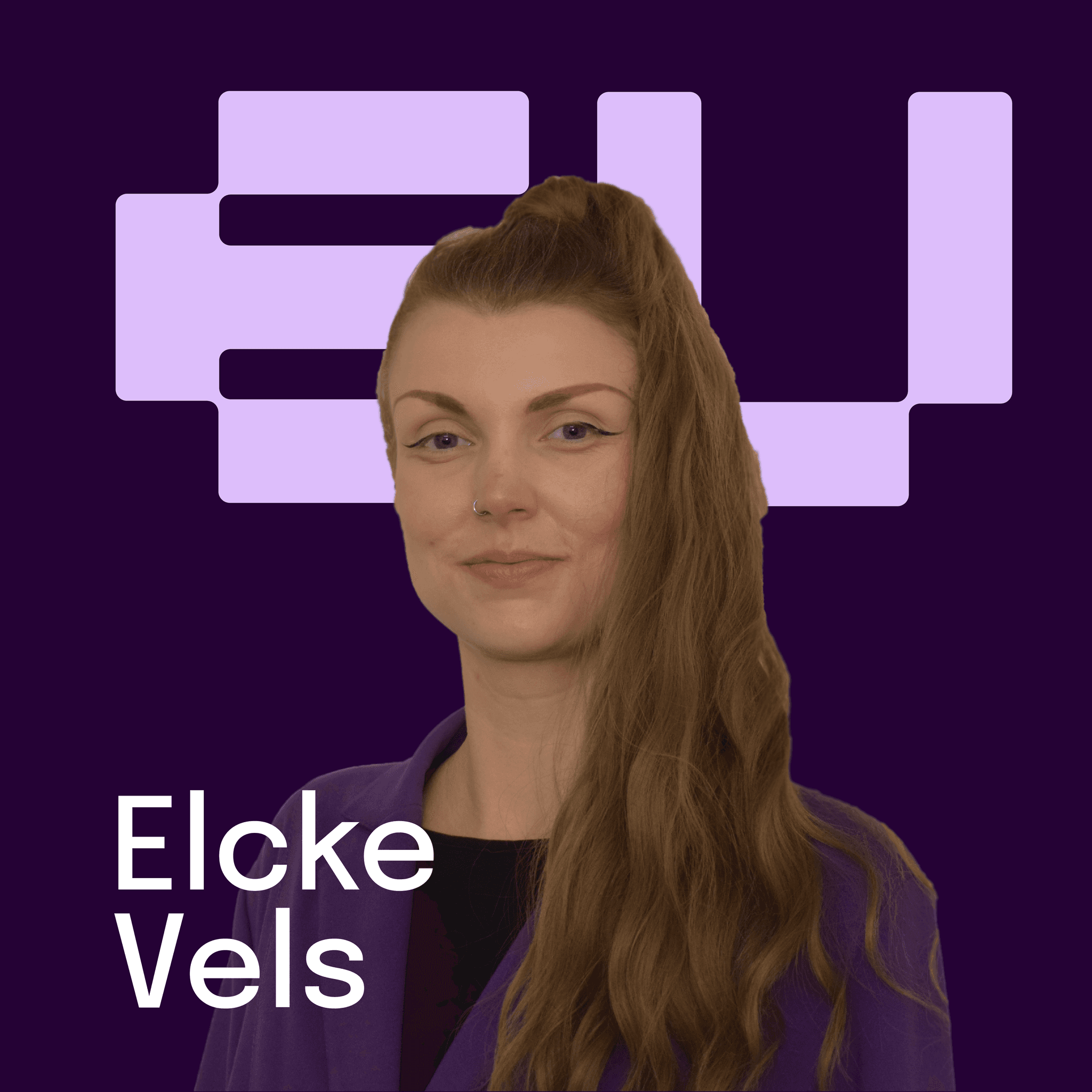
Our DATA+ expert and Editor-in-Chief, Elcke Vels, explores AI, cyber security, and Dutch innovation. Her "What if..." column imagines bold scenarios beyond the norm.
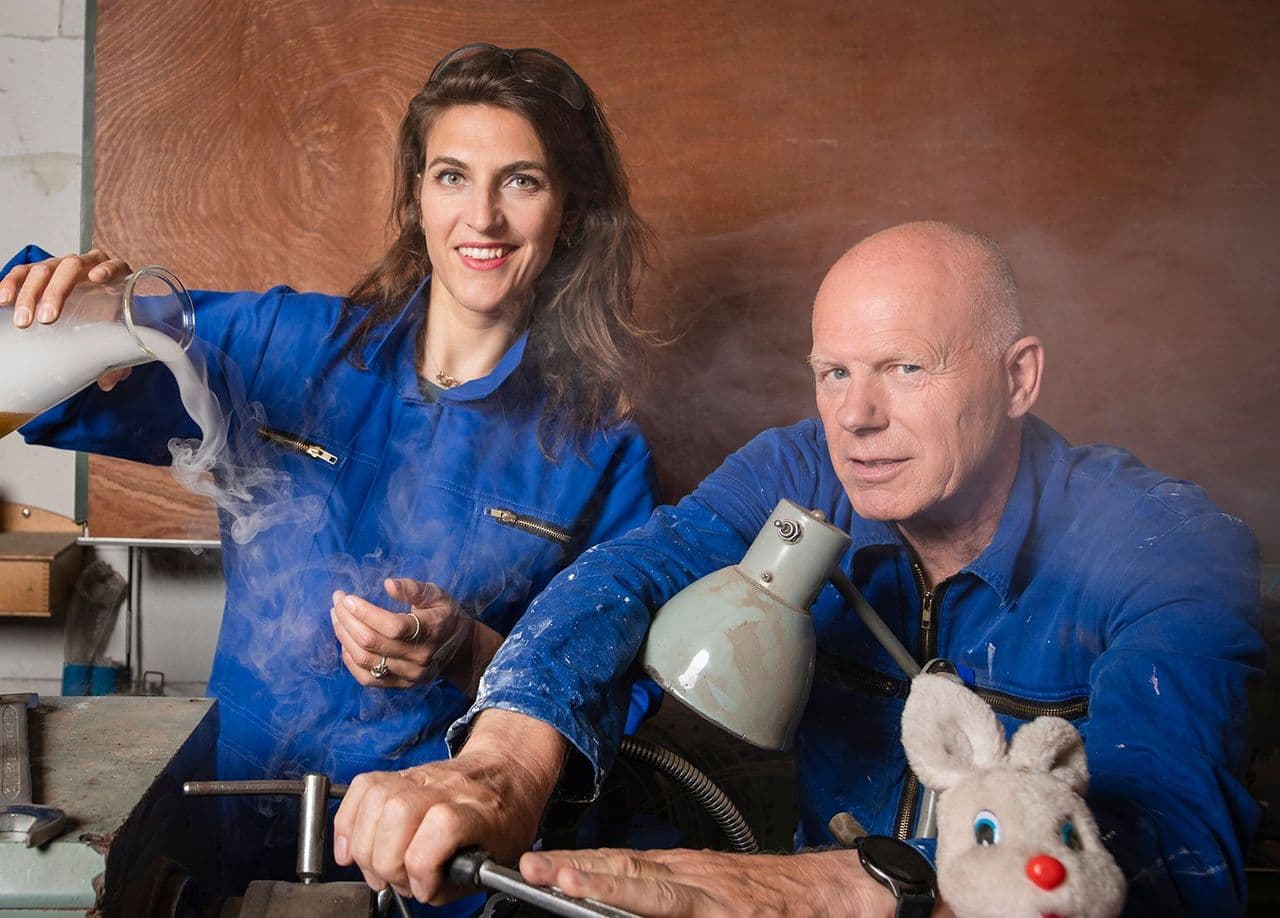
Clogs. Tulips. Windmills. Cheese. Anyone who Googles the Netherlands or talks about it with a foreign friend is presented with a hopelessly outdated image. Today’s Netherlands is building the future—with chip machines and innovative ideas that are making a difference worldwide. That is exactly what New Dutch wants to highlight. It’s time to embrace our new image, say New Dutch’s figureheads Anna Gimbrère and Rob van Hattum.
The Netherlands may be small in terms of area, but technologically it definitely ranks among the “big boys.” To name just a few examples: flagship company ASML builds the world’s most advanced chip machines, essential for virtually every modern technology. The Netherlands ranks 8th on the global innovation index and holds an exceptionally strong position in sectors such as photonics, semiconductors, and precision technology. Add to that a long list of inventions—from the CD to Wi-Fi—and the image of the Netherlands shifts: this is no land of clogs.
A new story
“What’s happening in the Netherlands in terms of technology and innovation,” says Gimbrère, “is completely at odds with how the Netherlands is perceived.” Van Hattum nods in agreement. “If you Google the Netherlands, you get tulips and windmills. Sometimes even cocaine. But not what we’re really good at.” And so the idea for New Dutch was born: an attempt to set the record straight. Not by erasing the old Netherlands—but by adding something alongside it. A new story.
The advanced machines
New Dutch is an initiative coordinated by the Netherlands Enterprise Agency and the Netherlands Board of Tourism & Conventions. The movement has grown from two Dutch cities in 2021 into a broad national collaboration. It is not a traditional campaign. It builds a new narrative from the ground up by putting companies, organizations, and institutions in the spotlight and providing international promotional support for typical Dutch innovative events. New Dutch organizes press trips and open calls for companies, and uses targeted campaigns to help foreign visitors, entrepreneurs, and policymakers discover the Netherlands as a source of inspiration.
Gimbrère and Van Hattum are the figureheads of New Dutch. Both are science journalists with backgrounds in public broadcasting. Van Hattum worked for decades at VPRO as science editor-in-chief, presenter, and director, and was also content director at NEMO. Gimbrère started as a physicist and is also active at KRO as a presenter and program producer. Through their conversations and experiences in the field, they discovered for themselves where the Netherlands truly excels.
“It’s the advanced machines,” says Van Hattum. “The high-tech systems. We’re extremely good at that.” That goes far beyond ASML and chips.
Gimbrère points to space exploration, where Dutch instruments must perform under the harshest conditions. But also to fields such as hydrogen, quantum technology, or cell technology. Perhaps not the sexiest topics for kitchen-table conversation. “But they are the foundations of tomorrow’s economy. I think we should be proud of that,” says Gimbrère.
There’s more going on
And let’s not forget: while technology plays a leading role, there’s much more happening in the Netherlands. We’re also setting the tone in the creative industry—“from DJs, festivals, and gaming,” notes Van Hattum. The fashion industry excels in the use of technology and innovative materials. In terms of architecture, the Netherlands excels in circular housing and green urban development. According to the leaders, New Dutch must showcase the full spectrum.
Embracing the new image
Moving away from postcards featuring clogs and cheese and embracing the innovative image will certainly benefit the Netherlands, both believe. “If a country doesn’t know exactly what it’s good at, it becomes difficult to strategically focus on that. Money then often goes to safer, more familiar sectors,” says Gimbrère. “That’s something I worry about sometimes. That we forget to invest in what truly sets us apart.” She mentions space travel, instrument engineering, and quantum technology. “But that could just as easily disappear.”
If the Netherlands were better known as an innovative (tech) nation, that would also yield another advantage. “The Netherlands urgently needs technicians. Researchers. Engineers. People who want to build the future. But they won’t just show up on their own,” says Van Hattum. “If the first thing people associate with the Netherlands is a windmill, no one is likely to think: I want to work on technology there.” So there’s still a world of opportunity to be gained here.
The Netherlands is flat—especially in terms of organization
How can a small country like the Netherlands actually be so good at innovation? What’s the secret ingredient? Gimbrère points to the culture as the explanation. The Netherlands is flat—literally, of course, but especially in terms of organization. “Hierarchy is less dominant here than elsewhere. Ideas can come from all sides. You see that reflected very clearly in student teams building solar cars,” she says. “Everyone has their own specialty, but no one is above anyone else.” Van Hattum adds, “The Flemish think we’re bold and stubborn. But it’s precisely that mentality that translates into ingenuity and the development of new ideas.”
‘Absurd. Until it worked.,’
One thing is clear: people within the country’s borders are working tirelessly on the ideas of tomorrow. Now it’s time to work just as passionately on our image. When will “New Dutch” be a success? “When the Netherlands knows exactly what it’s good at,” says Gimbrère. “And when we act on that and invest more in it.” Van Hattum agrees. “Even in ideas that seem absurd at first glance. Just as the technology behind ASML once seemed absurd.”
“Until it worked.”
Sponsored
This story is the result of a collaboration between New Dutch and our editorial team. IO+ is an independent journalism platform that carefully chooses its partners and only cooperates with companies and institutions that share our mission: spreading the story of innovation. This way we can offer our readers valuable stories that are created according to journalistic guidelines.
Want to know more about how IO+ works with other companies? Click here