
This is how Europe can become sovereign in payment tech
Most of the million digital transactions in the EU are handled by foreign providers. Can Europe step up?
Published on June 22, 2026
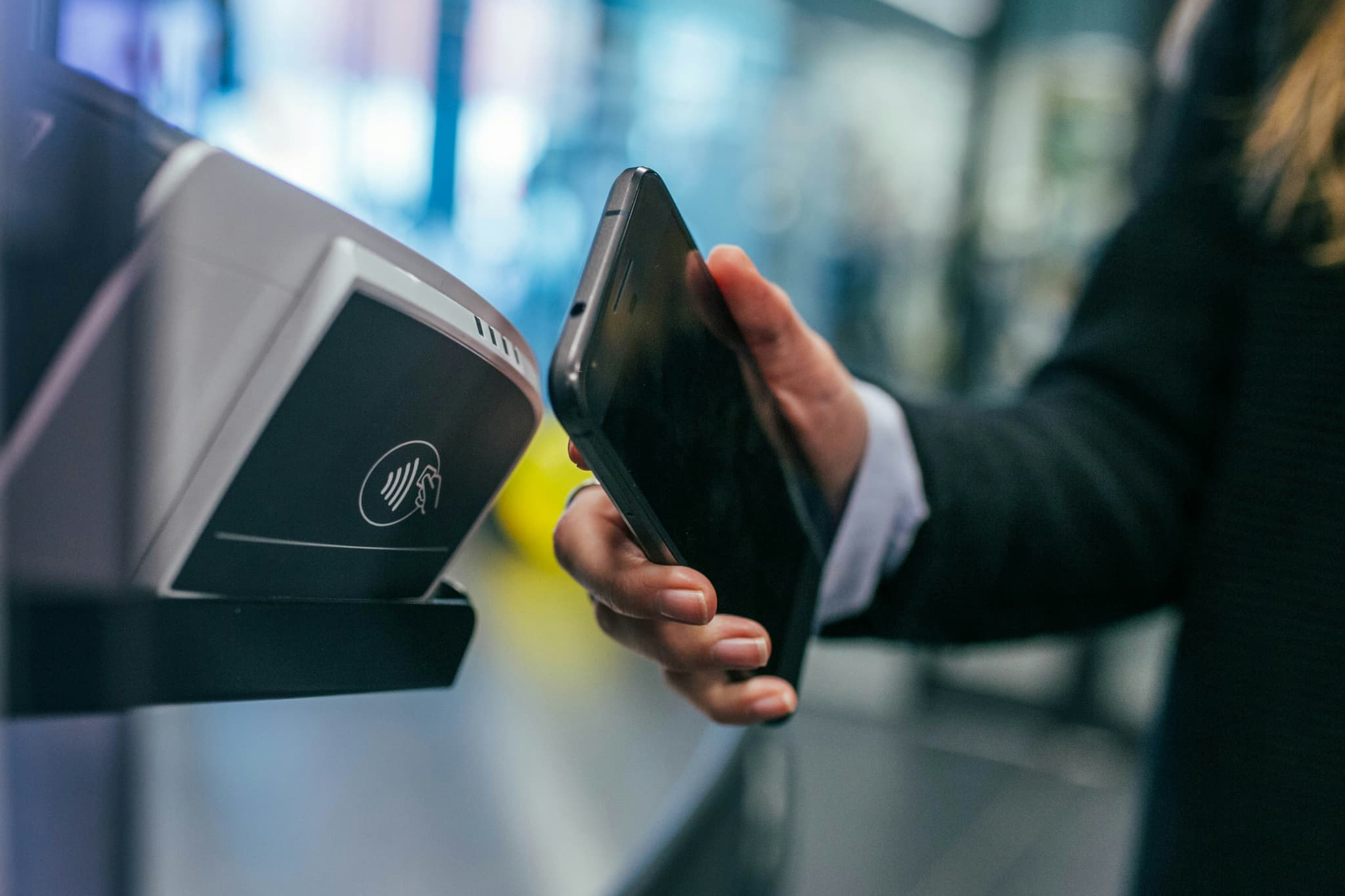
© Jonas Leupe - Unsplash

Mauro swapped Sardinia for Eindhoven and has been an IO+ editor for 3 years. As a GREEN+ expert, he covers the energy transition with data-driven stories.
Among Europe's many dependencies is the payment system. American companies, chiefly Visa and Mastercard, handle 61% of the euro-area card transactions. Can Europe become sovereign in payment technology, and if so, how?
The topic was the center of the discussion of the "Strengthening Europe's Financial Resilience: Building Competitive and Secure Payment Systems" session, part of the EU Digital Summit, which took place in Brussels on June 9.
.png&w=2048&q=75)
A panel of experts delved into the topic, underscoring that, rather than a clear roadmap, embarking on this journey would entail a series of trade-offs the bloc would have to confront.
The infrastructure exists
However dependent, Europe doesn’t have to start from scratch to build its payment system. EBA Clearing’s head of Legal, Regulatory and Corporate Shared Services, Jessica Ramos, put it plainly: “It's not about the infrastructure — the infrastructure components are already there. It's more about what we're going to do on the front end.”
EBA Clearing is a provider of a pan-European payment infrastructure, with the main European banks as its shareholders. According to Ramos, the system processes 33 billion transactions a year with a value of €75 trillion, reaching nearly 5,000 participants across Europe.
The incoming digital euro
The consumer-facing solutions built on top of the existing infrastructure will ultimately make a difference. Géraldine Mahieu, representing the European Commission's economic policy directorate, underlined how the forthcoming digital euro initiative is another step in this direction. The proposed central bank currency would be a digital form of cash, complementing banknotes and coins.
The deputy director general made it clear that the digital euro is being designed to work with the private sector rather than against it — and that the Commission has "no intention to favor one solution over another." The goal, she said, is simply to "enrich the choice for the consumer — that's the only thing we want, and the more diversity, the better off we are."
Martina Weimert, CEO of EPI — the company behind the pan-European wallet Wero — backed this approach and underlined how her company would integrate the digital euro as soon as it is ready.
However, she also argued that the public sector could be of great help if it opened up acceptance infrastructure — such as Wero – rather than duplicate what private players are already building: "The public sector can support this by opening up the acceptance network, rather than just providing the digital euro itself. I think that way we can make quicker progress towards our shared goal."
An existing industrial policy gap
Weimert also argued that Europe is missing something more fundamental than infrastructure: "In payments, what we've been missing is a real industrial policy. We have one for transport and one for energy. Why don't we have one for payments? Payments are so crucial — without payments, there's no commerce; without commerce, there's no economy."
Her critique was that Brussels is currently running too many parallel initiatives — instant payments rollout, the digital euro, digital identity — without aligning timelines: "It can't be that we line up so many initiatives in one period. It's unbearable for the private sector to implement." The result, she warned, is that the EU risks losing ground to stablecoins, to which "we have no answer," while industry scrambles to keep up. Her conclusion: "We're challengers — so we need to work together, not compete with each other."
Ramos offered a partial counter: regulation, while sometimes excessive, has also been what actually drives adoption. "Instant payments have existed since 2017 — but sometimes regulatory innovation is absolutely necessary to make things happen." The Instant Payments Regulation, she argued, was what finally moved the needle — suggesting that for sovereignty goals to translate into real usage, mandates may be unavoidable.
European payments model: vision or reality?
Overall, the panel outlined a version of payments sovereignty that better connects what already exists. The digital euro as a shared infrastructure rather than a competitor, and interoperable wallets are some of them.
Questions remain. How fast will the digital euro’s legal framework be finalized, and whether the EU can align its overlapping initiatives, and whether a diversity of providers can reduce EU dependence on foreign tech are points still to be addressed. Defining these aspects will clarify whether the vision of a European payments infrastructure will become a reality or yet another entry in a long list of unfinished ambitions.