
Touchwaves is making wearables that speak to your body
This week, we spotlight the winners of the G&A Award 2026. Today: Touchwaves.
Published on July 9, 2026
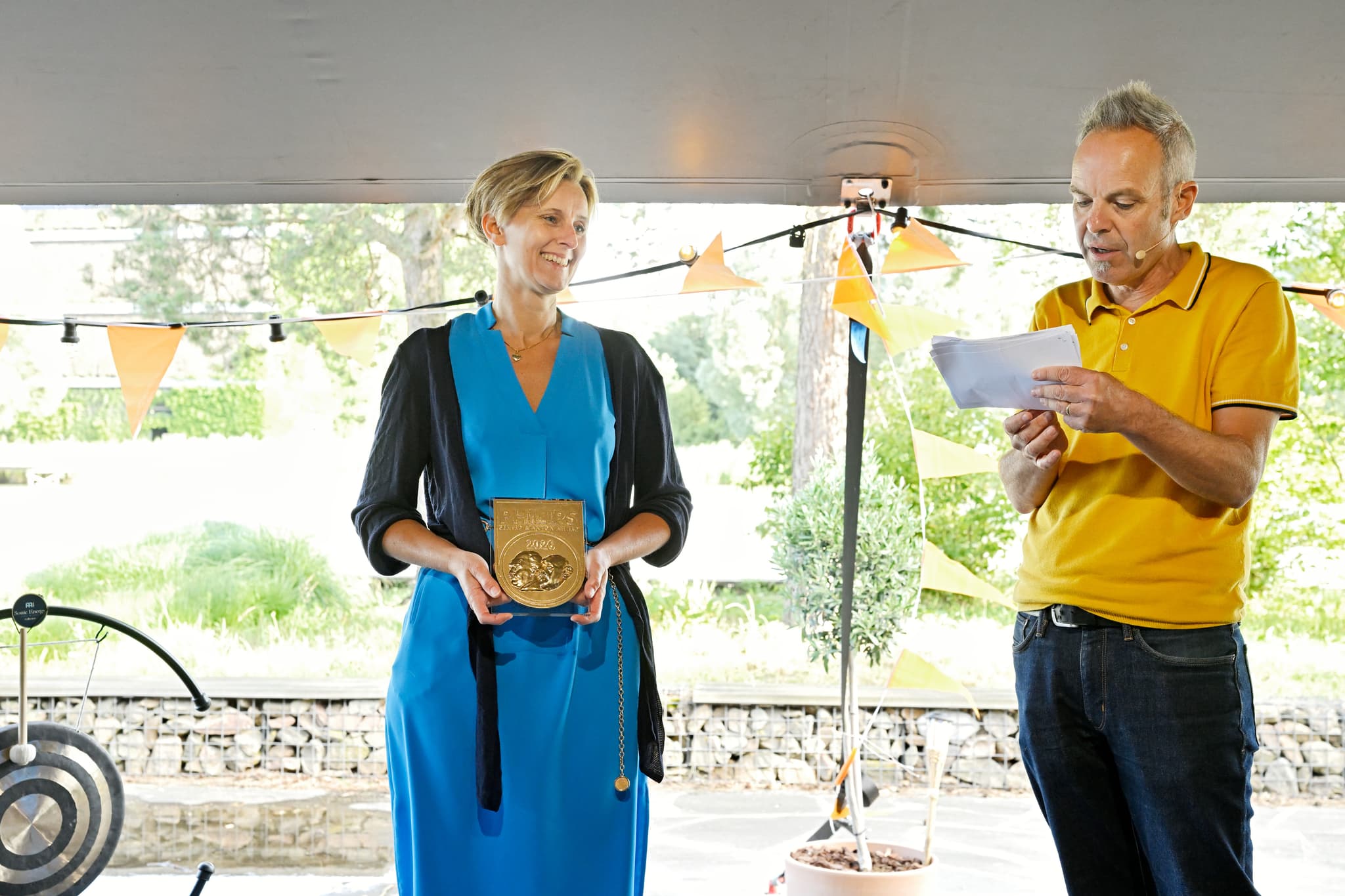
© Bart van Overbeeke Fotografie

Mauro swapped Sardinia for Eindhoven and has been an IO+ editor for 3 years. As a GREEN+ expert, he covers the energy transition with data-driven stories.
Many startups are born out of the founders' personal experience. Touchwaves certainly belongs to this category. Grounded in research conducted at the Netherlands Organisation for Applied Scientific Research, TNO, the startup is developing wearables that send targeted vibrations to the body. And this same technology is helping co-founder Charlotte Kjellander to manage her chronic headaches.
"Our work in the lab confirmed what we had expected. The somatic sensory system is deeply connected to how we regulate focus, cognitive load, and recovery," she says. This discovery laid the foundation for Touchwaves, which spun out of TNO in 2023. The company’s next-gen wearables can translate complex data into tactile signals the human body can intuitively understand.
.png&w=2048&q=75)
About Touchwaves
A smart vest providing haptic feedback
The system blends the wearer’s physiological state with external inputs. Leveraging sensor input, the platform records parameters such as oxygen saturation, heart rate, and respiratory patterns, combining them with aircraft sensor feeds and threat detection systems.
As a result, the smart vest converts this information into specific vibration patterns to precise locations of the body, which the wearer intuitively reads without the need for conscious thought. “Our electronics are thin, lightweight, and comfortable — they behave like fabric, not hardware. This is our core materials science advantage, protected by intellectual property,” underscores the founder.
Why Touchwaves is different
The company targets cognitive overload. In high-stakes environments — think of fighter jet pilots, air traffic controllers, and elite athletes – individuals are overwhelmed by visual and auditory information. When this pressure becomes extreme, the visual and audio channels become saturated, leading to errors. Multiple studies have shown that 80% of aviation accidents are caused by human factors.
However, touch is different from the other senses. “The somatic sensory system remains functional under high stress and transmits signals through faster pathways than seeing or hearing. We build wearables that speak to the body through touch — giving people faster, more intuitive awareness and direction without adding cognitive burden,” explains Kjellander.
Touchwaves is differentiating itself from other haptic wearables. The electronics are thin and flexible, ensuring they are comfortable to wear. The technology has already been validated in trials with the Netherlands Royal Air and Space Force, including in F-35 flight simulators and hypobaric chambers. Most importantly, the startup's main edge is a human-machine interface that translates multi-sensor data into vibrations the human body can understand, with minimal training.
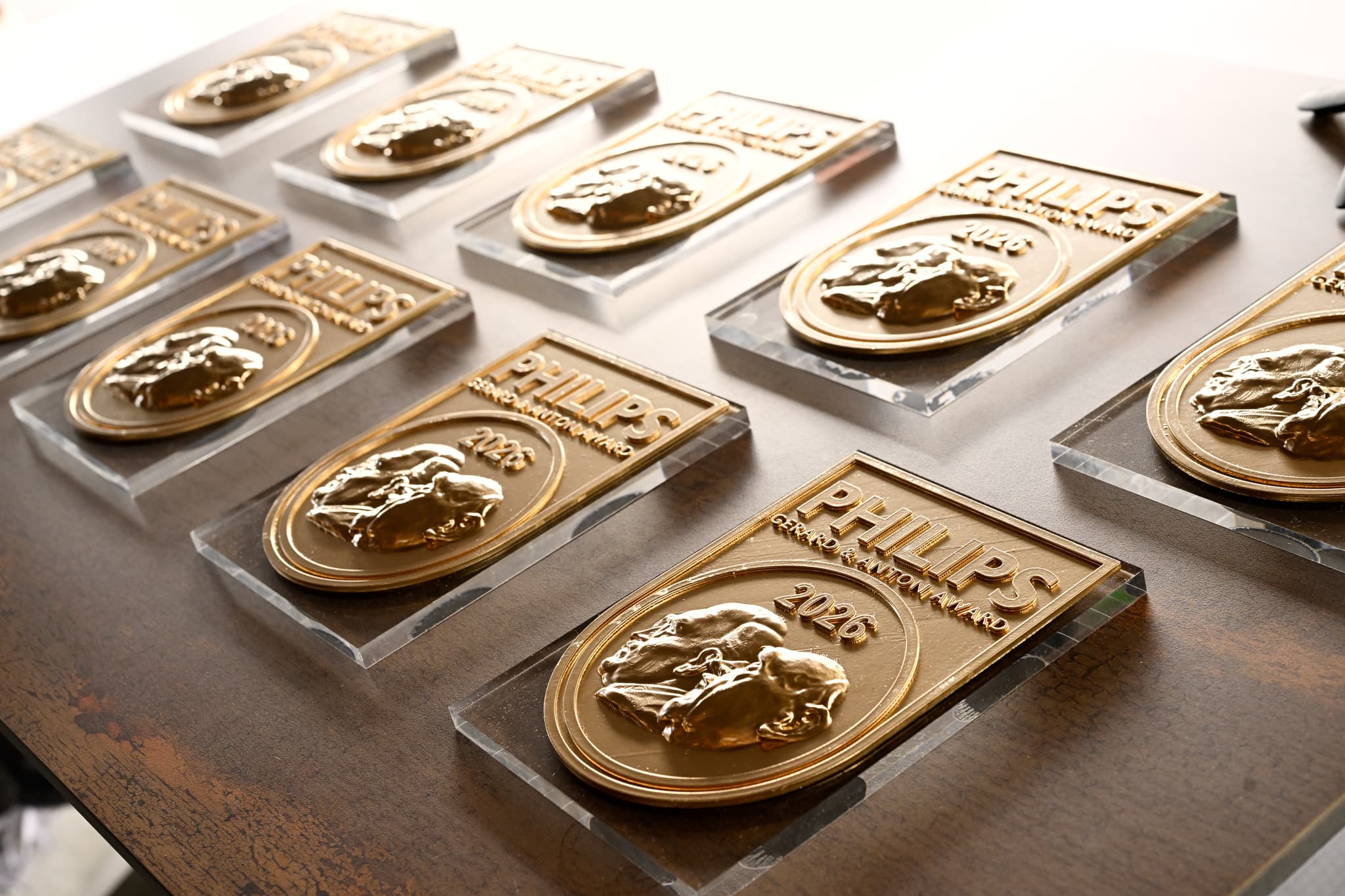
G&A Awards 2026
Every year, we award 10 rising startups based in the Brainport region. In this series, you can get to know this year's winners better.
Growing in many ways
The G&A Awards winner secured €1.5 million in seed funding, backed by SecFund, a fund supporting innovative companies launched by the Dutch Ministry of Defense. The team now numbers seven and aims to grow to ten by the end of the year. To that end, the company is actively seeking the right talent who can sit at the intersection of materials, hardware, and human performance.
Operating at the intersection of medtech and human performance is exciting, according to Kjellander, because of its complex, multidisciplinary nature. A key pillar, although lengthy and demanding, is to secure validation from operational military environments and medical institutions. As with any other startup, one of the main challenges remains turning a prototype into a reliable product.
At the moment, the haptic interface is at Technology Readiness Level (TRL) 6. The development continues, as Touchwaves deepens operational partnerships with defense customers. At the same time, the company plans to expand effectively into neighboring military domains, such as drone operations, as well as into elite sports performance.
“In a later phase, we see clear links to the civilian healthtech market, expanding the platform to real-time haptic feedback for high-performance professions and therapeutic rehabilitation,” says the founder.
Mastering the human body’s lingo
Being immersed in the Brainport ecosystem has been particularly beneficial. “In the early stages of Touchwaves, the Metropoolregio Eindhoven (MRE) project provided essential support — giving us the first seed to develop the technology from its TNO roots into a company with its own identity and intellectual property,” adds Kjellander.
The close contact with knowledge institutions such as TNO and the Eindhoven University of Technology (TU/e) provides access to a pool of hardware engineers, materials scientists, and systems integrators.
When the same signal technology that quieted manages Kjellander's pain can keep a pilot oxygenated and focused under pressure or sharpen a soldier's situational awareness, the implications stretch well beyond wearables. The body, it turns out, is always ready to listen.