
Tracking jaguars: nature conservation gets a digital upgrade
Tech4Nature: Conservationists and tech giants have joined forces.
Published on May 28, 2026

Our DATA+ expert and Editor-in-Chief, Elcke Vels, explores AI, cyber security, and Dutch innovation. Her "What if..." column imagines bold scenarios beyond the norm.
In our world, 28% of all plant and animal species are threatened by poaching, the illegal wildlife trade, and habitat loss, among other factors. Traditional methods of protecting nature often fall short in addressing this crisis. That is why conservationists and tech giants have joined forces. The Tech4Nature partnership, in which the International Union for Conservation of Nature (IUCN), Huawei, and other partners collaborate, demonstrates how technology can turn the tide. James McBreen, Senior Programme Manager at IUCN, spoke about the importance of this collaboration during Huawei’s Innovative Data Infrastructure Forum in Paris. IO+ was also present there.
With the help of AI, cloud computing, and smart sensors, nature conservation is getting a much-needed digital upgrade, McBreen explained during his keynote. Nature conservation used to be the work of a small group of specialists in the field. “Today, this discipline has evolved into a data-driven science,” he says. For Tech4Nature, Huawei provides the cloud infrastructure and computing power needed to quickly process a massive flow of information. This enables rangers and researchers to respond immediately to acute threats in the wild.
Monitoring rare species in Spain
McBreen then discusses two leading nature conservation projects. In the Spanish nature park Sant Llorenç del Munt i l'Obac, tourism is causing tensions with the local wildlife. Researchers wanted to know what impact recreational visitors have on rare animal species, such as the booted eagle. Previously, there was a lack of data to make definitive statements about this. “Now, smart cameras and acoustic sensors are installed in the park to monitor the situation,” says McBreen. This yielded tens of thousands of photos and audio recordings. Manual analysis of this data would take months. Fortunately, a specially trained AI model automatically sorts the images. The system recognizes animal species and detects human presence in real time. Thanks to these insights, park managers can take targeted measures.
Protecting jaguars in the Mexican Jungle
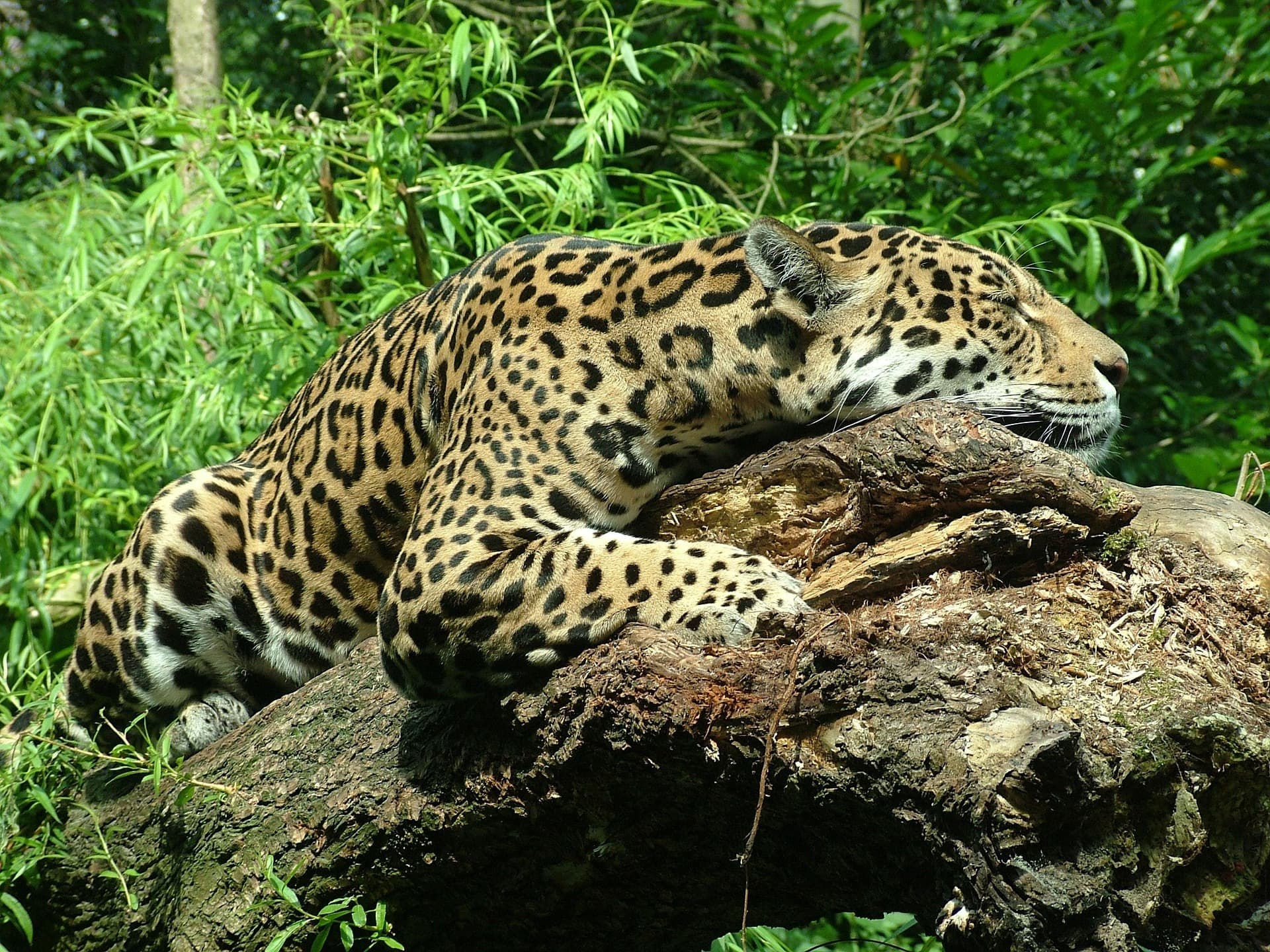
On the other side of the ocean, in Mexico, technology is helping to protect the jaguar. This predator roams through dense forests and swamps, making it very difficult to count the population manually. That is why smart camera traps have been installed in the region since 2022. “These cameras transmit their images directly to Huawei’s cloud,” says McBreen. A special algorithm analyzes the spot patterns on the jaguars’ fur. Because each pattern is unique, the AI can recognize individual jaguars. So far, sixteen unique jaguars have been identified and tracked. The system has processed a massive amount of video and audio files. Among other things, this data demonstrates how important specific ecological corridors are for the species’ survival.
Data security
Collecting nature data is necessary, but it also carries risks. Poachers, for example, must never be given access to the exact locations of endangered species. That is why Tech4Nature is now working on a strict data policy for the second phase of the project. This policy establishes clear rules for the storage and sharing of ecological data. In Spain, legal and ethical studies are currently underway to ensure privacy and security.
A concrete look at the future
The coming years are crucial for the preservation of our planet. The international community has committed to the “30 by 30” goal. “This means that by the year 2030, at least 30% of all land and marine areas must be protected,” says McBreen. Achieving this goal is impossible without reliable measurement tools, he argues. The collaboration between Huawei and the IUCN demonstrates that digital infrastructure is key to success.